Laminate flooring vs vinyl flooring is a choice many homeowners face when they plan a new floor. Both floors copy the look of wood or stone at a lower cost than the real thing. Both are also sold in planks that click together, so they suit many rooms in a modern home.
The real difference is not the look, but how each floor handles water, wear, and daily use. Laminate is built from wood-based layers with a printed design on top. Vinyl is built from plastic layers that resist water far better. This guide compares the two side by side so you can pick with care.
Laminate Flooring in Short
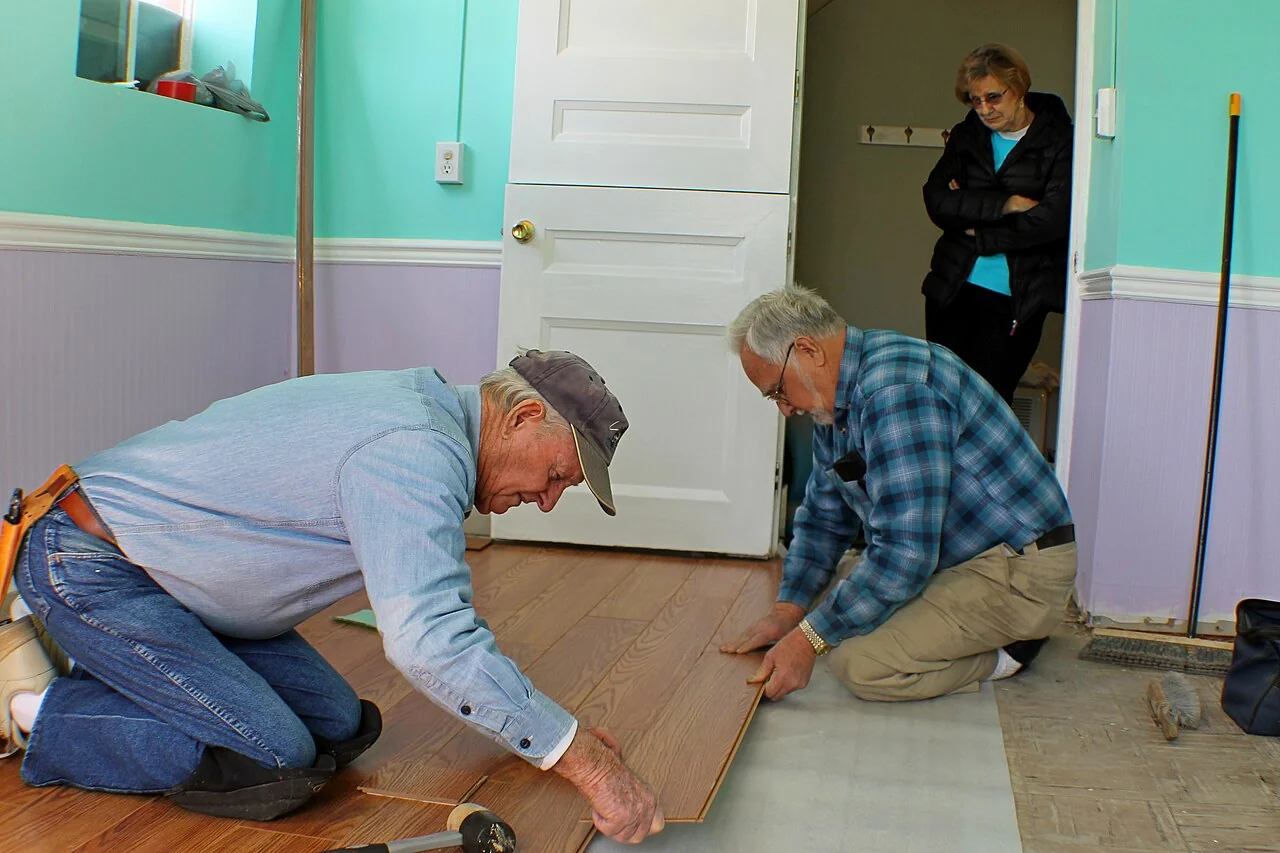
Laminate flooring is made from a wood fibre core with a printed design layer and a clear wear layer on top. The design layer can copy oak, walnut, maple, or stone with clear grain and colour. The wear layer guards the print from scratches, stains, and fading in daily use.
Most laminate planks use a click-lock edge, so they join together and float over the subfloor. No glue or nails are needed in most cases, which keeps the job simple for a skilled DIYer. A thin underlay goes under the planks to soften sound and smooth small bumps.
Vinyl Flooring in Short
Vinyl flooring is made from layers of plastic, mainly polyvinyl chloride, pressed into sheets, planks, or tiles. The printed design layer can copy wood, stone, or tile with clear grain and colour. A clear wear layer on top guards the design from scratches and stains.
Vinyl plank and vinyl tile use click-lock edges in many cases, so they float over the subfloor like laminate. Sheet vinyl comes in a large roll with very few seams, which helps keep water out. Some rigid vinyl types have a stone or wood plastic core for extra strength.
Laminate vs Vinyl: At a Glance
The table below sums up the main points first. Use it as a quick guide for your room. No single floor wins in every case, so your room and your habits matter most.
| Feature | Laminate Flooring | Vinyl Flooring |
|---|---|---|
| Water resistance | Low to moderate; core can swell | High; many types are waterproof |
| Durability | Strong wear layer; can chip at edges | Strong wear layer; can dent under weight |
| Cost | Often lower to mid-range | Often mid-range; wide range by type |
| Looks | Clear wood and stone prints | Clear wood, stone and tile prints |
| Install | Click-lock floating floor | Click-lock, glue down, or sheet |
| Best rooms | Living room, bedroom, hallway | Kitchen, bathroom, laundry room |
| Feel | Firm and hard, like wood | Softer and warmer underfoot |
| Care | Sweep and damp mop; avoid standing water | Sweep and damp mop; wipe spills fast |
Water Resistance
Water is the biggest gap between laminate and vinyl, and it should guide your choice. Vinyl resists water well because its core is plastic, not wood fibre. Spills can sit on vinyl for a while without harm, though you should still wipe them up when you can.
Laminate is far less forgiving with water, even when it is sold as water resistant. A spill that is wiped up fast is often fine, but standing water can seep into the joints. Once water reaches the wood fibre core, the planks can swell, lift, or warp at the edges.
Durability and Daily Wear
Both floors handle daily foot traffic well when you pick a good wear layer. Laminate has a hard surface that resists scratches from shoes, chairs, and pet claws. Its edges can chip if a heavy object drops on them, and a deep scratch is hard to hide.
Vinyl also resists scratches well, and its softer surface is less likely to chip at the edges. It can dent under very heavy furniture or sharp heels, so felt pads under chair and table legs help a lot. Sunlight over many years can fade some vinyl colours, just as it can fade laminate.
Cost and Value
Cost is close between the two floors, and the type you pick matters more than the name. Basic laminate is often one of the lowest cost hard floors you can buy. Mid-range and thick laminate costs more, but it still tends to sit below solid wood.
Vinyl covers a wider price range because it comes in many forms. Sheet vinyl is often the lowest cost option, while rigid plank and luxury tile sit higher. The final bill also depends on underlay, trim, and how much waste your room shape creates.
Think about value over time, not just the first bill. A cheap floor that fails in a wet room costs more in the end than a sound pick. Use the Flooring Cost Estimator to work out a budget for your room before you buy.
Looks and Feel
Both floors copy wood and stone well, and most guests will not tell them apart at a glance. Laminate often has a crisp printed grain with a firm, wood-like feel underfoot. Its planks can have a light texture that copies the feel of sawn wood.
Vinyl prints are just as clear, and some planks add embossed grain for a more real feel. Luxury vinyl tile copies stone and ceramic tile with grout-like joints. The choice often comes down to the exact colour and plank size you like best.
Installation
Both floors are popular with DIYers because click-lock planks need no glue in most cases. You lay an underlay, click the planks together row by row, and trim the last row to fit. A flat, clean, dry subfloor is vital for both, so check the floor before you start.
Sheet vinyl is a different job, since one large piece must be cut to fit the room. It has very few seams, which is a plus in wet rooms, but the cutting needs care. Glue-down vinyl also needs a smooth subfloor and the right adhesive for the job.
If you hire a fitter, ask for a quote that covers underlay, trim, and waste. A good fitter will also check moisture in the subfloor, which matters more for laminate. For a full room guide, the best laminate flooring page shows styles and uses to compare.
Which Is Better for the Kitchen?

The kitchen sees spills, steam, and dropped food every day, so water resistance leads the choice. Vinyl wins here for most homes because it handles spills and splashes with ease. Sheet vinyl is a strong pick, since it has almost no seams for water to enter.
Laminate can still work in a kitchen if you wipe spills fast and keep mats by the sink and dishwasher. Water-resistant laminate is better than plain laminate, but it is not the same as waterproof vinyl. A leak under a sink or dishwasher can still harm laminate over time.
If your kitchen is open plan and joins the living room, you may want one floor across both rooms. Vinyl gives you that look with less worry about water. Laminate gives you a firm wood feel, but it asks for more care around water.
Which Is Better for the Bathroom?
The bathroom is the clearest win for vinyl in this whole comparison. Steam, splashes, and wet feet are part of every shower and bath. Vinyl handles all of that without swelling, and sheet vinyl is the safest form of all.
Laminate is not a good pick for a full bathroom, even in a water-resistant form. Steam can reach the joints over time, and a splash that is missed can soak into the core. The risk is not worth it when vinyl offers the same wood or stone look.
If you love the look of wood in a bathroom, pick a wood-look vinyl plank instead. It gives you the warm look with a surface made for water. Pair it with a bath mat and good airflow, and the floor will last far longer.
Which Is Better for the Living Room?
The living room is where laminate often shines, since water is rarely a worry there. Its firm, wood-like feel suits sofas, bookshelves, and family life. A good wear layer will handle chairs, toys, and pets with ease.
Vinyl is also a fine pick for a living room, and it feels softer and quieter underfoot. It is a good choice if the living room joins an open kitchen or a front door where wet shoes come in. The softer surface is also kind to dropped glasses and toys.
Your taste should lead here, since both floors work well in a dry room. Compare plank sizes, colours, and textures in real light before you buy. The guide to the best vinyl flooring can help you weigh vinyl styles for this room.
Which Should You Choose?
Choose vinyl if water is a real risk in your room, or if you want the least worry. It suits kitchens, bathrooms, laundry rooms, and homes with pets or small children. It also suits open-plan rooms where one floor must cope with both cooking and living.
Choose laminate if your room is dry and you want a firm, wood-like feel at a fair cost. It suits living rooms, bedrooms, and hallways where spills are rare. It is also a good pick if you like a crisp wood grain and a hard surface.
FAQ: Laminate Flooring vs Vinyl Flooring
Is vinyl flooring better than laminate flooring?
Vinyl is better in wet rooms because it resists water far better than laminate. Laminate is often better in dry rooms where a firm, wood-like feel matters more. The best pick depends on the room, not on the floor alone.
Can laminate flooring go in a kitchen?
Yes, laminate can go in a kitchen if you wipe spills fast and use mats near water. Water-resistant laminate is a safer pick than plain laminate for this room. Vinyl is still the safer choice if spills are common in your home.
Can vinyl flooring go in a bathroom?
Yes, vinyl is a popular pick for bathrooms because it resists water and steam well. Sheet vinyl is the safest form since it has very few seams. Wipe up large puddles when you can, and keep the room aired after showers.
Which floor lasts longer, laminate or vinyl?
Both can last for many years with a good wear layer and simple care. Laminate may chip at the edges, while vinyl may dent under heavy weight. Pick a thicker wear layer and use felt pads to help either floor last longer.
Which is easier to install, laminate or vinyl?
Click-lock laminate and click-lock vinyl are both simple to fit over a flat subfloor. Sheet vinyl and glue-down vinyl need more care and skill to cut and fix. If you hire a fitter, ask for a quote that covers underlay and trim.
Free Tool: Flooring Cost Estimator
Before you buy, work out what your new floor will cost for your exact room size. The Flooring Cost Estimator helps you plan a budget based on your room and floor type. It takes only a few minutes, and it can stop you from buying too much or too little.
Conclusion
Laminate flooring vs vinyl flooring is not a contest with one winner for every home. Vinyl wins where water is a daily risk, in kitchens, bathrooms, and laundry rooms. Laminate wins where a room stays dry and a firm, wood-like feel matters most.
Pick the floor that fits your room, your habits, and your budget in that order. Check the wear layer, look at samples in your own light, and plan the cost before you buy. With the right pick and simple care, either floor can look good and serve your home for years.