
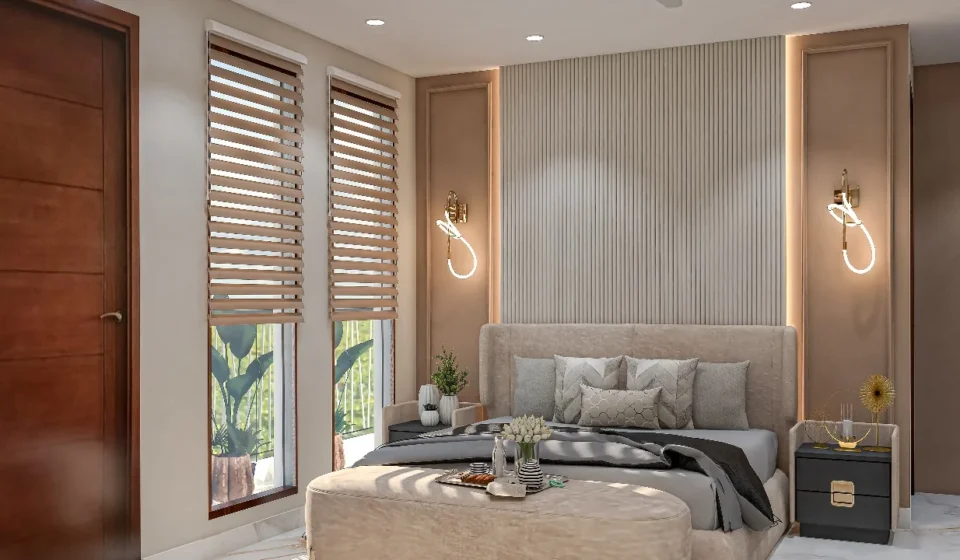

What is the best carpet for bedrooms? The best choice is a soft, low-pile carpet that feels warm under bare feet and keeps dust easy to remove. It should suit how you sleep, how often you clean, and who shares the room.
A bedroom carpet takes more barefoot steps than any other floor in the home. You step onto it first thing in the morning and last thing at night. A good bedroom carpet feels soft, stays warm in winter, and muffles sound for better sleep. This guide compares the main types, pile heights, and care needs so you can choose with confidence.
What Makes Carpet Good for a Bedroom?

A bedroom is a quiet, low-traffic room with a clear job. It should help you rest, stay warm, and feel calm at the end of the day. The best bedroom carpet supports those goals with softness, warmth, and a calm look. It does not need to survive muddy shoes or heavy wheels like a hallway floor does.
Comfort comes first in a bedroom, because your bare feet touch the floor every day. A carpet with a dense, springy pile feels soft without flattening too fast. A thick pad under the carpet adds extra cushion and helps the floor feel warm. Together, pile and pad turn a cold morning step into a soft landing.
Sound matters too, and carpet is one of the best floors for a quiet room. It absorbs footsteps, softens voices, and cuts echo from hard walls. This helps light sleepers and helps children sleep through small noises at night. If your bedroom sits above a living room, carpet also keeps sound from travelling downstairs.
Safety and care shape the choice as well. A bedroom carpet should sit flat, grip well, and not slide underfoot. It should be easy to vacuum often, since dust and hair collect fast in a closed room. A stain-resistant fibre helps with spills from drinks, lotions, or pets, so choose a style you can clean in real life.
Best Carpet Types for Bedrooms
Nylon is a strong, popular choice for bedrooms, and it suits most homes well. It feels soft, springs back after pressure, and resists stains when treated. It also holds colour well, so pale shades stay fresh for longer. Nylon costs more than some fibres, yet its long life often makes it good value.
Polyester is a softer and often cheaper option, and it comes in rich, bright colours. It feels plush underfoot and resists fading from sunlight near a window. It can flatten faster than nylon in spots where you walk every day. For a spare bedroom or a room with light use, polyester can be a smart pick.
Wool is the classic premium fibre, and it feels warm, soft, and natural. It resists dirt, holds its shape, and lasts for many years with care. Wool also helps control moisture and feels comfortable in both warm and cool weather. It costs more, and it needs gentle cleaning, so check your budget and your care routine first.
Triexta is a newer fibre that blends softness with strong stain resistance. It bounces back well after foot traffic and handles spills with less fuss. Many triexta carpets feel very soft, which suits a bedroom floor. It is worth comparing side by side with nylon if you want softness plus easy care.
Cut pile, loop pile, and patterned styles each give a different feel. Cut pile has open fibre ends that feel soft and plush, while loop pile has closed loops that feel firm and hold up well. A patterned mix of cut and loop adds texture and hides foot marks. For most bedrooms, a soft cut pile or a low, tight loop works best.
Pile, Comfort and Warmth
Pile height is the length of the carpet fibres, and it shapes how the floor feels. A low pile feels firm and tidy, while a high pile feels deep and plush. For a bedroom, a medium pile often gives the best balance of softness and care. Very long, shaggy fibres can feel lovely, yet they trap more dust and are harder to vacuum.
Pile density matters as much as height, and it is easy to miss. Dense fibres pack close together and spring back after you step on them, while sparse fibres bend, flatten, and show wear much sooner. Press your fingers into a sample and see how fast it recovers. A dense carpet keeps its look longer, even in the path beside the bed.
The pad under the carpet does a lot of quiet work. A good pad adds cushion, warmth, and sound control, and it helps the carpet last longer. A thin or worn pad makes even a good carpet feel flat and hard. Ask about pad thickness and density before you buy, and do not skip this layer to save a small sum.
Warmth is a real benefit in a bedroom, especially on cold floors. Carpet insulates better than wood, tile, or vinyl, so it keeps heat in the room. This matters most in winter and in rooms over a garage or a cold space. A warm floor also means you can skip thick socks and enjoy a soft first step in the morning.
Allergies and Cleaning
Bedroom dust affects sleep, so cleaning should shape your carpet choice. Low-pile carpet traps less dust than deep, shaggy pile, and it is easier to vacuum well. A tight, dense pile gives dust fewer places to hide. If anyone in the room has allergies, choose a low, dense pile first.
Vacuum often, and use a vacuum with a good filter that traps fine dust. Vacuum the paths beside the bed and under the bed edge twice a week if you can. A slow pass works better than a fast pass, because it lifts more dust from the base. Empty the vacuum bin or bag before it fills, so suction stays strong.
Wash bedding often, since bedding dust falls onto the carpet each night. Keep pets off the bed if allergies are a problem, and brush pets outside the room. Open a window or run a fan to move fresh air through the room. A dry, aired room holds less dust and feels fresher to sleep in.
Stains happen in bedrooms, from drinks, makeup, and skin care products. Blot a spill at once with a clean cloth, and do not rub it deeper. Use a mild carpet cleaner that suits your fibre type, and test it in a corner first. For wool, use a cleaner made for wool and avoid harsh chemicals.
A deep clean once or twice a year helps any bedroom carpet stay fresh. A steam clean or a pro clean lifts dust that a vacuum cannot reach. Let the carpet dry fully before you put furniture back. Good drying stops damp smells and keeps the pad in good shape.
What to Avoid
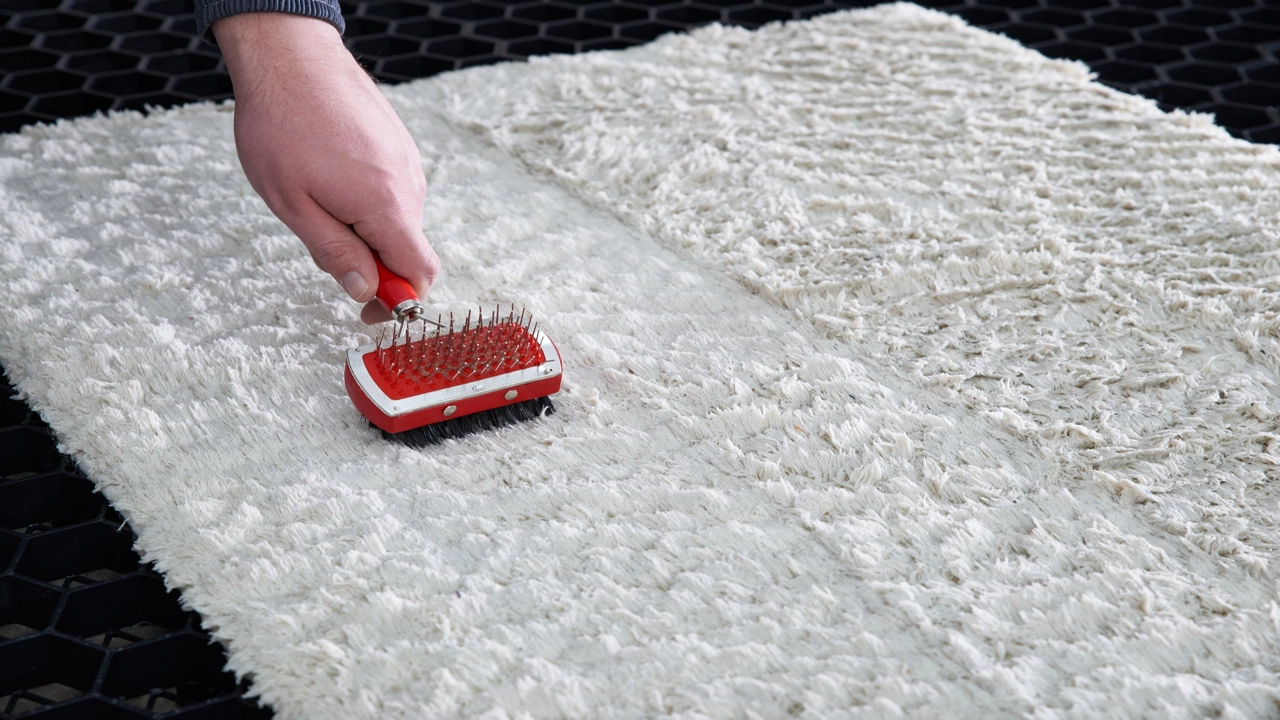
Avoid very high, loose shag in a bedroom if you want easy care. It feels soft at first, yet it traps dust, hair, and crumbs in deep fibres. Vacuuming takes longer, and spills sink fast out of reach. A plush but short pile gives you softness without that extra work.
Avoid a carpet that is too light for a busy bedroom. White and very pale shades show every mark, from shoe dust to drink spills. They need more cleaning to look fresh, and stains stand out fast. A soft mid-tone or a light pattern hides daily marks much better.
Avoid a cheap, thin pad under a good carpet. The pad shapes how the floor feels and how long the carpet lasts. A thin pad flattens fast, leaves the carpet feeling hard, and lets it wear sooner in walking paths. Spend a little more on the pad, and the whole floor will feel better.
Avoid dark, bold colours if your bedroom is small or dim. Dark carpet can make a small room feel smaller and heavier. It also shows dust, lint, and pet hair more clearly than mid-tones. Save bold colour for a rug or bedding, where you can change it later.
Avoid fitting carpet in a damp bedroom without fixing the damp first. Carpet holds moisture, and damp can lead to smells and mould in the pad. Check for leaks, poor airflow, and cold walls before you fit new carpet. If the room stays damp, fix the cause first, or choose a different floor for that room.
FAQ: What Is the Best Carpet for Bedrooms?
What is the best carpet for bedrooms?
The best carpet for bedrooms is a soft, dense, low to medium pile carpet in nylon, triexta, or wool. It should feel warm under bare feet, muffle sound, and be easy to vacuum. Choose a mid-tone shade that hides dust and suits your room light.
Is high pile or low pile better for a bedroom?
Low to medium pile is better for most bedrooms, because it is easier to clean and holds less dust. High pile feels very soft, yet it traps dust and flattens faster in walking paths. A medium pile gives you softness with simpler care and longer life.
What carpet is best for allergies?
A low, dense pile carpet is best for allergy-prone bedrooms, since it traps less dust and vacuums well. Vacuum often with a filtered vacuum, wash bedding weekly, and keep the room aired. Wool can suit some allergy homes, yet the pile height and cleaning routine matter more than the fibre alone.
Is wool carpet good for bedrooms?
Yes, wool carpet is good for bedrooms because it feels warm, soft, and natural. It resists dirt, holds its shape, and lasts for years with care. It costs more and needs gentle cleaning, so it suits homes that can care for it well.
How often should I vacuum bedroom carpet?
Vacuum bedroom carpet at least twice a week, and more often if you have pets or allergies. Use slow passes on the paths beside the bed and under the bed edge. A deep clean once or twice a year lifts dust that a vacuum cannot reach.
Does carpet make a bedroom warmer?
Yes, carpet makes a bedroom feel warmer than hard floors, because it insulates the floor and traps heat. A thick pad adds more warmth and cushion underfoot. This helps most in winter and in rooms over cold spaces.
📐 Free Tool: Carpet Quantity Calculator
Enter your room size — see exactly how many square yards of carpet you need, waste included.
Conclusion
The best carpet for bedrooms is soft, warm, quiet, and easy to care for in real life. A dense, low to medium pile in nylon, triexta, or wool suits most bedrooms well. It feels good under bare feet, keeps the room warm, and muffles sound for better sleep.
Choose a mid-tone shade, a good pad, and a style you can vacuum often. Avoid very high shag, very pale shades, and damp rooms that need fixing first. Measure your room, use the free tool above, and pick a carpet that makes your bedroom feel calm and restful every night.


