How much does carpet installation cost? The answer depends on your room size, the carpet you choose, and the work needed before the new floor goes down. Two rooms of the same size can cost very different amounts once padding, removal, and stairs are counted. That is why a simple per-room guess rarely works well.
The good news is that you can plan the cost once you know the main factors. This guide explains what drives the price up or down, how to think about cost ranges, and when a pro is worth the extra spend. It also shows how to estimate your own job, so you can compare quotes with more confidence.
What Affects Carpet Installation Cost?

Room size is the biggest driver of carpet installation cost. A larger room needs more carpet, more padding, and more time to fit. Installers often work by the area covered, so every extra square foot adds material and labour. Small rooms can also cost more per foot, as cutting and fitting take time even in a tight space.
Room shape matters too. A square room is quick to measure and cut, with little waste. A room with angles, alcoves, or many doorways needs more cutting and more care, and each cut adds time. Offcuts may not fit elsewhere, so waste goes up, and stairs add even more work, as each step must be cut and fixed by hand.
The carpet you choose has a big effect on the total. Basic loop carpet is often the most budget-friendly choice, while thick plush or patterned carpet costs more to buy and to fit. Patterned carpet needs matching at the seams, which takes more time and more material. Wool and high-end fibres also need more care during fitting.
The state of your old floor is another key factor. If old carpet must be removed and taken away, that adds labour and disposal time. If the subfloor below is damaged, it must be fixed first, and that adds cost too. A clean, flat, dry subfloor keeps the job simple and the price lower.
Where you live also shapes the price. Labour rates vary by area, and a fitter in a large city may charge more than one in a small town. Getting two or three quotes helps you see what is normal in your area.
Cost Factors: Room Size, Carpet Type, Padding, and Removal
Room size sets the base amount of carpet and padding you need. Measure the length and width of each room, then multiply them to find the area. Add a little extra for cuts, seams, and waste, as rooms are rarely a perfect fit for a carpet roll. A carpet quantity calculator can help you work out how much carpet a room needs before you order.
Carpet type affects both the material cost and the fitting time. Loop pile is tough and often simple to fit, which suits halls and busy rooms. Cut pile feels soft underfoot but can show marks and needs care at the seams. Patterned carpet looks smart, yet the pattern must line up across joins, so the fitter needs more material and more time.
Padding, also called underlay, sits under the carpet and shapes how it feels. Thicker padding feels softer and can help the carpet last longer, but it costs more to buy. Thin padding is cheaper, yet it may feel flat and wear out faster in busy spots. The right padding depends on the room, the carpet type, and how much foot traffic the room gets.
Removal of old flooring is a cost many people forget to plan for. Taking up old carpet, pulling out staples, and clearing the room takes time. If old carpet is glued down, removal takes even longer. Disposal can also add a fee, as old carpet and padding must be taken away and dealt with in the right way.
Other small factors can add up too. Moving heavy furniture takes time, and some fitters charge for it. Door trims may need cutting if the new carpet is thicker than the old floor. Ask for a quote that lists each item.
Cost Range: How to Think About the Total
There is no single fixed price for carpet installation, as every job is different. A small, simple bedroom with basic carpet will sit at the lower end of the range. A large living room with thick carpet, new padding, and stair work will sit at the higher end. The gap between those two jobs can be wide, even in the same home.
Think of the total as three parts: carpet, padding, and labour. Carpet is often the largest part, and its price varies most by fibre and style. Padding is a smaller part, but a better pad can add comfort and life to the floor. Labour covers measuring, cutting, fitting, and finishing, and it grows with room shape and stair work.
A good way to judge a quote is to ask what is included in each part. Does the quote include removal of the old carpet, new padding, or moving furniture and door trims? A low quote that leaves out these items can end up costing more than a clear, full quote.
For a quick sense of scale, use a flooring cost estimator to compare the main parts of a job. It helps you see how room size, carpet choice, and extra work change the total. Use that figure as a planning guide, not as a fixed quote, and confirm the final price with a fitter who has seen your rooms.
DIY vs Pro Installation
Fitting carpet yourself can save on labour, but it is not a simple job for most homes. Carpet is heavy, awkward to move, and hard to cut cleanly without the right tools. A good fit needs a power stretcher, a knee kicker, a sharp knife, and a seam iron.
A pro fitter brings skill, tools, and speed to the job. They know how to measure a room with little waste, match a pattern at the seams, and stretch carpet so it stays flat. They can also spot subfloor faults and damp before the new carpet goes down.
DIY can work well in a small, square room with a simple carpet. If the room has no stairs, no pattern to match, and a sound subfloor, a careful DIY fit may be fine. Take time to measure twice, watch a clear guide, and ask a store for advice on the right tools. Even then, plan for extra time and extra material for mistakes.
Pro fitting is the safer choice for stairs, patterned carpet, and large or odd-shaped rooms. Stairs need precise cuts on every step, and a loose stair carpet is a trip risk. Patterned carpet needs a trained eye to line up the design, or the seams will stand out. A pro also offers a work guarantee in many cases, which DIY cannot match.
If you choose a pro, ask what the price covers and how long the job will take. Ask if they move furniture, remove old carpet, and fit new padding. Clear answers now will help you avoid surprise costs.
How to Estimate Your Job
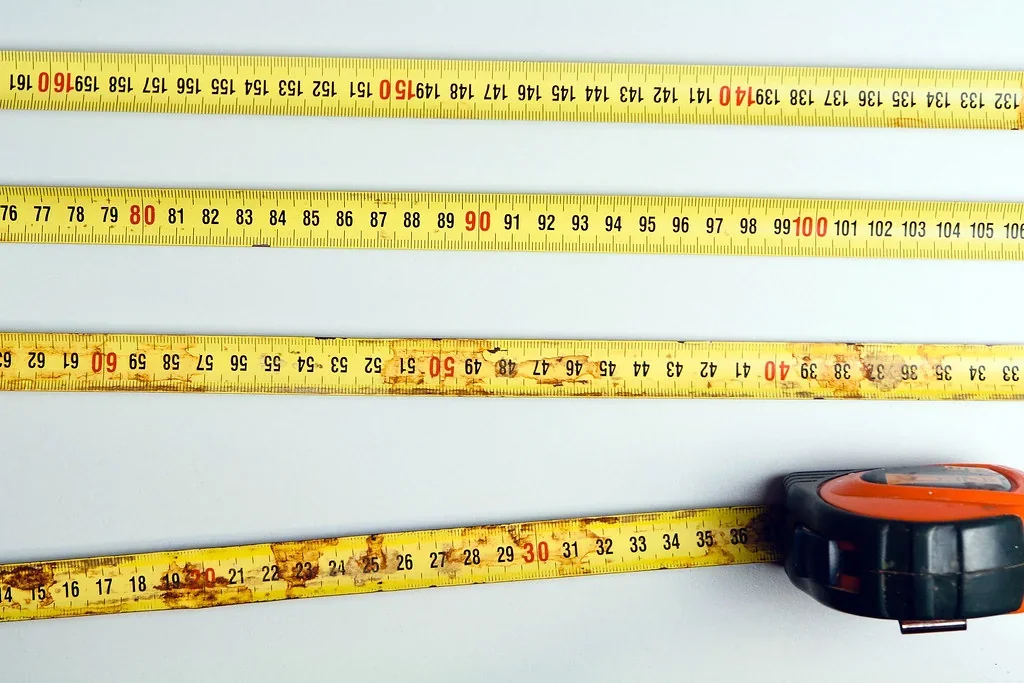
Start by measuring each room you plan to carpet. Measure the longest length and the widest width, even if the room is not a perfect rectangle. Write down each measurement, and note any alcoves, bay windows, or doorways. These notes will help you or a fitter work out the true area.
Next, add a little extra for waste and cuts. A common rule is to add around ten percent for a simple room, and more for a room with angles or a pattern to match. Stairs need a separate measure, as each step uses its own piece of carpet. Do not guess this part, as a short measure can leave you with a gap at the end.
Then, list the extra work your job needs. Will old carpet be removed? Will new padding be fitted?
Will furniture be moved? Will door trims need cutting? Each yes adds time and cost, so list them all before you ask for a quote. A clear list helps fitters quote the same job, so you can compare prices fairly.
Use a calculator to turn your measures into a material amount. A carpet quantity calculator takes your room size and helps you work out how much carpet to order. Pair that with a flooring cost estimator to see how the main cost parts add up. These tools give you a planning figure to take to a store or fitter.
Finally, get two or three written quotes for the same job. Give each fitter the same room list, the same carpet choice, and the same extra work. Ask for a breakdown of carpet, padding, labour, removal, and extras. Compare the breakdowns, not just the final total, and ask about any item that looks unclear.
FAQ: How Much Does Carpet Installation Cost?
What is the biggest cost in carpet installation?
The carpet itself is often the biggest cost, followed by labour and padding. Room size, carpet type, and stair work shape the total most. A clear quote should break out each part so you can see where the money goes.
Does padding affect the installation cost?
Yes, padding affects both the material cost and how the carpet feels. Thicker, better padding costs more to buy, but it can help the carpet last longer and feel softer. Cheap, thin padding may save money now but wear out faster in busy rooms.
Is it cheaper to install carpet yourself?
DIY can save on labour, but you need the right tools and time to learn the job. Tools, waste from mistakes, and a poor fit can eat into the saving. For stairs, patterns, and large rooms, a pro often gives better value in the long run.
How much extra carpet should I order?
For a simple, square room, allow around ten percent extra for cuts and waste. For a room with angles, alcoves, or a pattern to match, allow more. Stairs need a separate measure for each step, so do not use the room rule for stairs.
Do installers charge to remove old carpet?
Many installers charge for removal and disposal of old carpet and padding. The fee depends on the area, how the old carpet is fixed, and local disposal rules. Ask for this item in the written quote so it is not a surprise on the day.
How long does carpet installation take?
A single, simple bedroom can often be fitted in a few hours. A whole home, or a job with stairs and pattern matching, can take a full day or more. The fitter can give a better time once they have seen the rooms and the carpet choice.
Flooring Cost Breakdown Calculator
See what a flooring job really costs — line by line. Enter your room and your prices, and get the material, labor, underlayment, trim and removal costs separately, not just one lump sum.
3 steps
- Step 1 — Measure: measure the room length and width in feet and inches.
- Step 2 — Price: enter the price per square foot for material, labor and underlayment, plus trim and removal.
- Step 3 — Check the breakdown: read each cost line, then the estimated total at the bottom.
Your cost breakdown will appear here. Fill in the room size and prices above, or press the example button.
Shop on Amazon (optional)
We do not recommend a specific product. Search Amazon yourself for the flooring you want.
As an Amazon Associate, we earn from qualifying purchases.
Save this estimate
How each cost line is worked out
First the tool works out the room area. A room of 12 ft by 15 ft is 180 sq ft. Then it adds waste only to the material, because you buy extra boards for cuts, but you do not pay labor for boards that end up as offcuts.
- Net area = length × width, with inches converted as feet + inches ÷ 12.
- Order area = net area × (1 + waste ÷ 100).
- Material cost = order area × material price per sq ft.
- Labor cost = net area × labor price per sq ft.
- Underlayment cost = net area × underlayment price per sq ft.
- Trim cost = trim length in linear ft × trim price per linear ft.
- Total = material + labor + underlayment + trim + removal.
- Total per sq ft = total ÷ net area.
Worked example A — the example button
Room 12 ft × 15 ft = 180 sq ft net. Waste 10% gives an order area of 198 sq ft. Material at $3.49 per sq ft is $691.02. Labor at $2.50 per sq ft on 180 sq ft is $450.00. Underlayment at $0.50 per sq ft is $90.00. Trim of 50 linear ft at $1.20 is $60.00. Removal is $100. The estimated total is $1,391.02, which is $7.73 per sq ft.
Worked example B — material only
Room area 100 sq ft, waste 0%, material $2.00 per sq ft, and every other price 0. The order area stays 100 sq ft, material cost is $200.00, and the estimated total is $200.00. This is the check to use if you only want a material price and nothing else.
Worked example C — no labor, no removal
Room 10 ft × 10 ft = 100 sq ft net, waste 10% gives 110 sq ft to order. Material at $4.00 per sq ft is $440.00. Underlayment at $0.40 per sq ft on 100 sq ft is $40.00. Trim of 40 linear ft at $1.00 is $40.00. Labor and removal are both 0. The estimated total is $520.00, which is $5.20 per sq ft.
What this calculator does not do
- It does not give a contractor quote or promise an installer price.
- It does not include tax, delivery, stairs, subfloor repair or furniture moving, unless you add those amounts yourself to the removal field or a price field.
- It does not collect your name, email or address, and it does not send your estimate anywhere. Saved projects stay on your own device.
Disclaimer: This is an estimate only, not a contractor quote. Prices vary by product, area and installer.
Frequently asked questions
Is this a contractor quote?
No. This is an estimate only, not a contractor quote. Prices vary by product, area and installer. Use the total to plan your budget, then get a written quote from your installer.
Why is labor charged on the net area but material on the order area?
Labor is paid for the floor you actually cover, so it uses the net room area. Material must cover cuts and waste too, so it uses the larger order area, which is net area plus waste.
Does the total include tax or delivery?
No. Tax, delivery and any permit fees are not included. Add them separately if your store or installer charges them.
What if I do the work myself?
Enter 0 for labor price per square foot. The tool will then show only material, underlayment, trim and removal costs.
What should I put for old-floor removal?
Enter the flat amount your installer charges to remove the old floor, or 0 if there is no old floor to remove or removal is already included in another price.
Can I save more than one estimate?
Yes. Give the estimate a name and save it. You can save up to 10 projects on this device and load any of them later.
Related tools
Conclusion
How much carpet installation costs comes down to size, carpet type, padding, removal, and the shape of your rooms. A small, simple job will cost far less than a large home with stairs and patterned carpet. The best way to plan is to measure well, list the extra work, and get clear, written quotes for the same job.
Use the calculator linked above to work out how much carpet you need, and use a cost estimator to see how the parts add up. That planning step will help you choose a carpet you like, pick the right padding, and decide between DIY and a pro with confidence. A well-planned carpet job feels better underfoot and lasts longer, which is good value in the long run.