

How much does laminate flooring cost? The short answer is that it depends on quality, thickness, and the size of your room. Laminate is one of the lowest cost hard floors, but the final bill can still vary a lot. This guide breaks down each cost factor so you can plan with care.
You will learn what drives the price of the planks, what underlay and trim add, and what install may cost. You will also learn how to work out how many boxes you need for your room. Use the tool links in this guide to turn these ideas into a firm budget.
What Affects Laminate Flooring Cost?
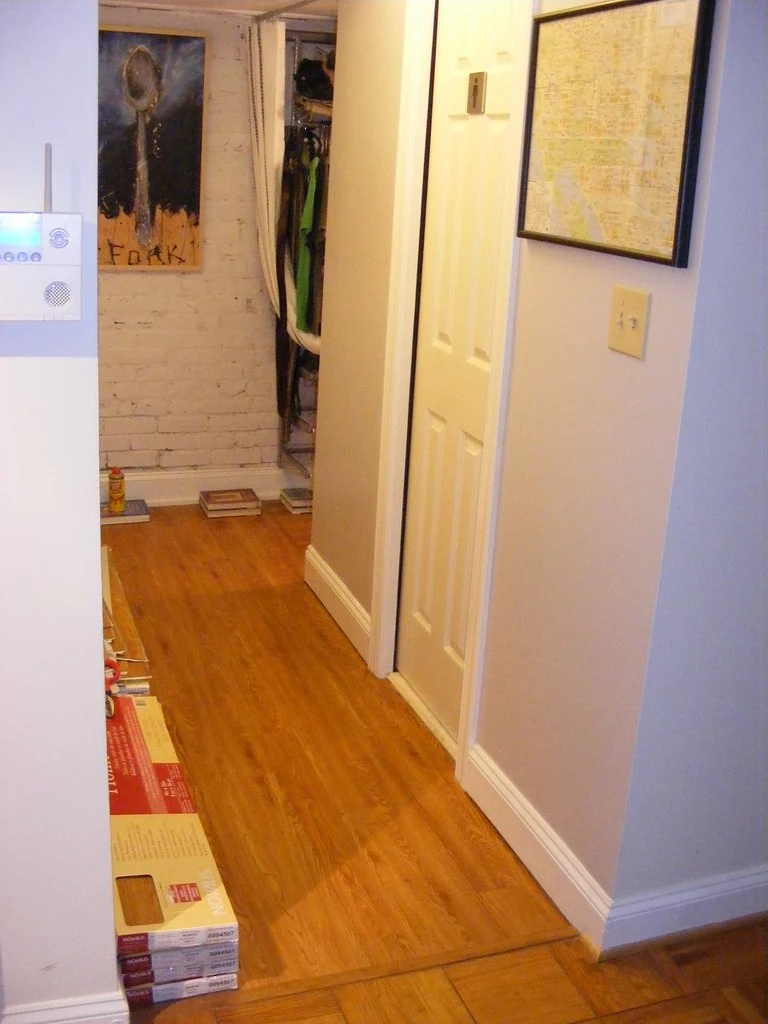
The cost of laminate starts with the planks, but it does not end there. Underlay, trim, waste, and install all add to the final bill. A small room may need only a few boxes, while a large open room needs far more.
Your subfloor also affects the cost in ways that are easy to miss. A flat, dry subfloor needs little prep before the planks go down. A rough or damp subfloor may need levelling, drying, or a moisture barrier first.
The style you pick also moves the price up or down. Wide planks, deep textures, and rare wood looks often cost more than plain styles. A simple oak look in a standard size is often the lowest cost way to get the wood look.
Cost Factors: Quality and Wear Layer
Quality is the biggest driver of laminate cost, and the wear layer is the key to it. The wear layer is the clear coat on top that guards the print from scratches and stains. A thicker wear layer costs more, but it also lasts longer in busy rooms.
Basic laminate suits a spare bedroom or a room with light foot traffic. It looks good, but it may show wear sooner in a hallway or family room. Mid-range laminate suits most homes, with a stronger wear layer and a clearer print.
High-end laminate copies real wood with deep texture and varied plank designs. It costs the most, but it can look very close to solid wood. For a busy home with pets or children, the mid-range or high-end pick often gives better value over time.
Cost Factors: Thickness and Core
Thickness is the next factor to weigh, and it affects both cost and feel. Thin laminate is often the lowest cost option, but it can feel hollow and sound loud underfoot. It also shows small bumps in the subfloor more easily than thick planks.
Thick laminate feels firmer and quieter, much like real wood. It also hides small subfloor flaws better, which can save on prep work. The core is usually wood fibre, and a denser core resists dents and moisture a little better.
Most homes do well with a mid-thickness plank that balances cost and comfort. Very thin planks may save money now but cost more later if they wear fast. Very thick planks suit open rooms where a solid feel matters most.
Cost Factors: Underlayment and Trim
Underlayment is a thin layer that goes under the planks, and it is not a place to cut corners. It softens sound, smooths small bumps, and adds a little warmth underfoot. Some laminate comes with underlay already attached, which can save time and money.
If your laminate has no built-in underlay, you will need to buy it as a separate roll. A moisture barrier is also wise on concrete floors, since damp can reach the wood fibre core. This small extra cost guards a much larger spend on planks.
Trim is the last small cost that adds up fast in a real room. Skirting boards, door bars, and stair nosings all need to match your floor. Measure each doorway and edge before you buy, so you do not run short at the end.
Cost Range: What to Expect
Laminate cost is best seen as a range, not a single fixed price. Basic laminate sits at the low end of the range for most buyers. Mid-range laminate sits in the middle, with better wear and a clearer print.
High-end laminate sits at the top of the range, with deep texture and a more real wood look. The gap between basic and high-end can be wide, so set your budget before you shop. Your room size then turns that range into a real total for your home.
Do not judge a floor by price alone, since a cheap floor that wears fast costs more in the end. Look at the wear layer, the thickness, and the maker’s guide together. Then use the Flooring Cost Estimator to work out a budget for your room size.
Installation Cost
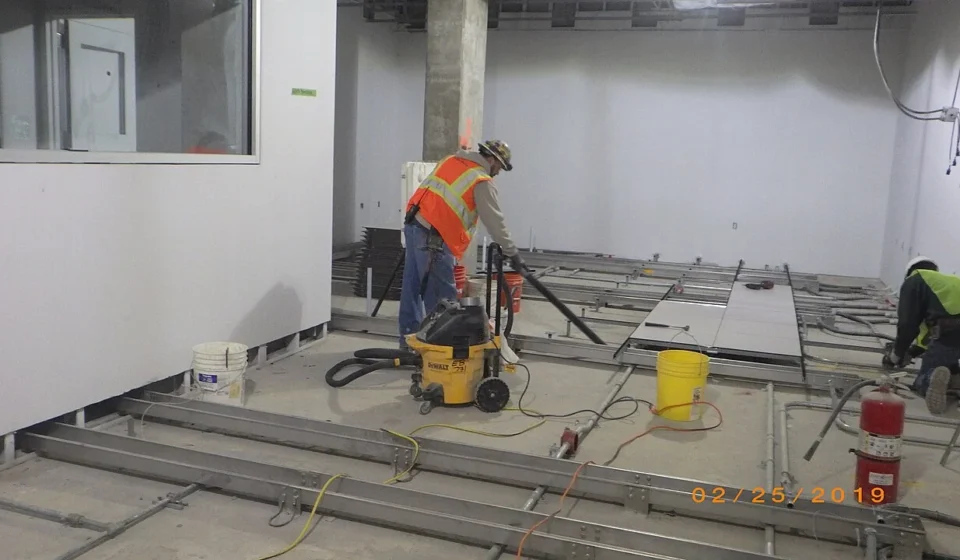
Install cost depends on who fits the floor and how hard the room is to work in. A skilled DIYer can fit click-lock laminate with basic tools and a flat subfloor. You will still need time, a saw, spacers, and care around doorways and edges.
A pro fitter charges for labour, and the rate varies by area and by the size of the job. Large, square rooms are quick to fit, while small rooms with many corners take longer. Stairs, door trims, and old floor removal all add to the labour bill.
Ask for a quote that lists labour, underlay, trim, and waste in clear terms. A clear quote helps you compare fitters without guesswork. For a full install guide, see laminate flooring installation cost before you book a fitter.
How Many Boxes You Need
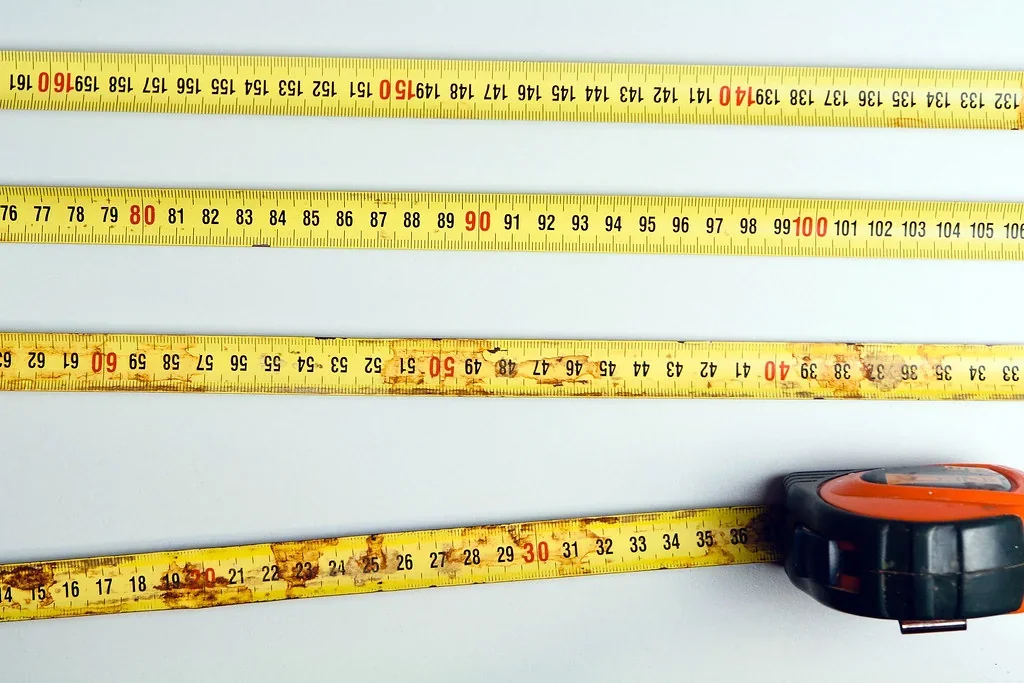
Laminate is sold in boxes, and each box covers a set area of floor. To work out how many boxes you need, first measure the length and width of your room. Multiply the two numbers to get the floor area in square feet or square metres.
Next, add waste to that area before you buy, since cuts and corners use extra planks. A square room often needs about one tenth extra for waste. A room with many corners, angles, or doorways may need more, so allow a little extra.
Then divide your total area, with waste added, by the coverage shown on one box. Round the answer up to the next whole box, since you cannot buy part of a box. Keep one spare box if you can, so a damaged plank can be swapped later.
How to Keep the Cost Down
You can keep laminate cost down without picking a poor floor. Start by measuring with care, so you do not buy boxes you will never use. A clear plan for waste saves money in every room, large or small.
Pick a mid-range plank for busy rooms and a basic plank for light-use rooms. This mix gives you strength where you need it and savings where you do not. It also keeps the look steady across your home if the colours match well.
Buy underlay and trim with the planks, so you can compare the full bill at once. A low plank price means little if the extras cost more than you planned. The Flooring Box Calculator helps you work out box numbers before you order.
Mistakes That Raise the Bill
One common mistake is to skip the waste allowance and run short near the end. A shortfall means a second trip to the shop, and the new batch may not match your first batch. Colour can vary a little between batches, so buy all you need at once.
A second mistake is to fit laminate over a rough or damp subfloor without prep. Bumps can make planks rock or click loudly, and damp can swell the core over time. A little prep now is far cheaper than a new floor later.
A third mistake is to pick the cheapest plank for a busy hallway or family room. Thin wear layers show scratches fast in high-traffic spots. Spend a little more where feet pass most, and save where the room sees light use.
FAQ: How Much Does Laminate Flooring Cost?
What is the cheapest way to fit laminate flooring?
The lowest cost route is often a basic plank fitted by yourself over a flat subfloor. You save on labour, but you still need underlay, trim, and tools. Check the maker’s guide first, and allow time for cuts around doors and edges.
Does thicker laminate cost more?
Yes, thicker laminate often costs more than thin laminate in the same range. It feels firmer, sounds quieter, and hides small subfloor flaws better. For most homes, a mid-thickness plank gives the best balance of cost and comfort.
How much extra should I buy for waste?
A square room often needs about one tenth extra for cuts and waste. A room with many corners or angles may need more than that. Measure with care, and round up to whole boxes when you order.
Is underlayment included in the price?
Some laminate comes with underlay already attached to each plank, while most does not. If it is not attached, you must buy underlay as a separate roll. A moisture barrier may also be needed on concrete floors.
Does laminate flooring add value to a home?
Work out your box count before you order, so you buy the right amount first time. The Flooring Box Calculator turns your room size into a box count in a few steps. It helps you plan waste, avoid a shortfall, and keep your budget on track.
Flooring Cost Estimator
Compare vinyl, laminate, hardwood, tile and carpet costs for your room — prices fully editable.
| Flooring type | Material $/sqft | Install $/sqft |
|---|---|---|
| Vinyl Plank | ||
| Laminate | ||
| Solid Hardwood | ||
| Ceramic Tile | ||
| Carpet |
| Type | Material | Install | Total |
|---|
Cost comparison
📝 Note: Estimates cover material + installation only. Underlayment, old-floor removal, trim and taxes are not included — add ~10–15% for those.
Frequently asked questions
Are these prices accurate for my area?
Prices vary a lot by region and by product quality. The defaults are reasonable US averages, but for a real quote you should edit the material and install prices above using 2–3 local quotes, then re-run the estimate.
Why is tile install so expensive?
Tile installation is slow, skilled work: subfloor prep, mortar, cutting, grouting and sealing. Labor often costs more than the tile itself, especially in bathrooms with plumbing cuts and waterproofing.
Does this include underlayment or old-floor removal?
No. This estimate covers material + installation only. Underlayment, tear-out of old flooring, baseboards and taxes typically add another 10–15% to the project — budget for them separately.
Should I DIY or hire a pro?
Click-lock vinyl and laminate are very DIY-friendly and can save you $2–$4 per sq ft in labor. Hardwood and tile demand experience and special tools — mistakes there get expensive fast, so a pro usually pays for itself.