
How much does tile flooring cost? It is a common question with no single answer, because tile prices range widely by type, size, and finish. A basic ceramic tile and a large porcelain tile can sit far apart in price, even in the same shop. Labour, prep work, and the size of the room move the total further. Knowing the factors behind the price helps you plan a realistic budget.
This guide explains what sets tile flooring cost, from the tile itself to the fitting. You will see a range idea, learn what installation adds, and find out how many tiles your room needs. By the end, you will know how to work out a total for your own floor.
What Affects Tile Flooring Cost?

The cost of a tile floor comes from three main parts: the tile, the fitting, and the materials that go under and around it. The tile is often the most visible cost, yet fitting can match or exceed it on a complex job. Underlayment, adhesive, grout, and trim add smaller sums that still matter in a full budget.
Room size sets the scale of the whole job. A small bathroom costs less in total than a large open-plan kitchen, yet small rooms often cost more per square foot. Fitters have fixed setup time, and that time spreads over fewer tiles in a small room. Large rooms spread the setup time over more tiles, so the rate per square foot often drops.
The state of your floor also changes the cost. A flat, sound subfloor needs little prep, so the job stays near the lower end. An uneven subfloor needs levelling or repair, which adds time and materials.
Cost Factors: Ceramic vs Porcelain
The tile material is the first cost factor, and ceramic and porcelain sit in different ranges. Ceramic tile is made from coarser clay fired at lower heat, so it costs less to make and less to buy. It suits bedrooms, living rooms, and light-traffic bathrooms. Its price makes it a good pick for large areas on a budget.
Porcelain tile is made from finer, denser clay fired at higher heat. That process makes a harder tile that absorbs very little water, so it costs more to make and more to buy. Porcelain suits bathrooms, kitchens, showers, and busy floors. Its extra cost buys a tile that lasts longer in wet and heavy-use rooms.
Natural stone tile sits higher still in most ranges. Marble, granite, and slate need sealing and careful handling, which adds both material and labour cost. Glass tile is also dearer, because it needs special adhesive and grout. For most homes, the choice is between ceramic and porcelain, and the room decides which one is worth the cost.
Cost Factors: Size and Finish
Tile size changes the price in both directions. Small tiles are often cheaper per tile, yet they take longer to lay, so labour is higher. Large tiles cover a room faster, so labour is lower, yet the tiles themselves often cost more per square foot. Very large tiles also need a very flat floor, which can add prep cost.
Finish is another factor that moves the price. A plain matte glaze is often the cheapest finish, while a polished or textured finish costs more. Tiles that copy wood or stone with a printed design sit in the middle to upper range.
Cost Factors: Pattern and Waste
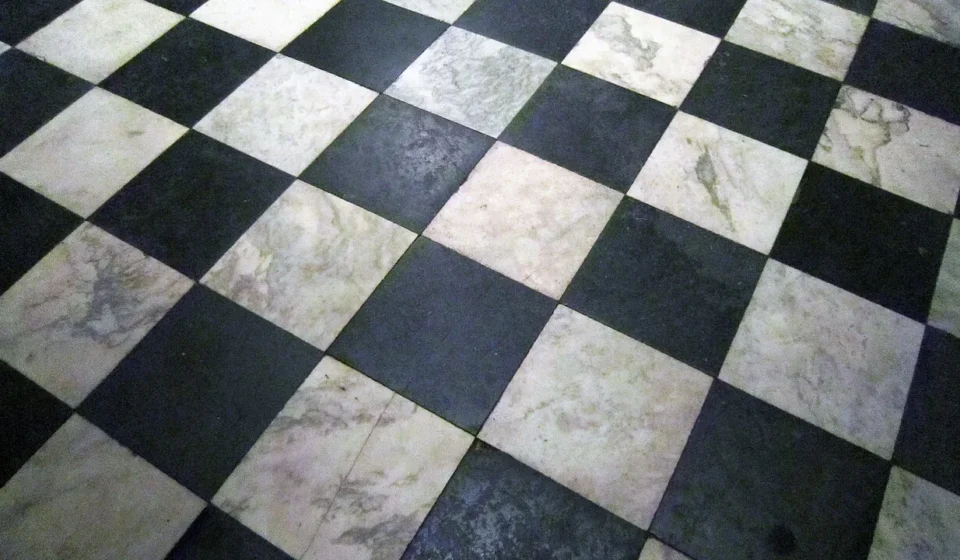
Pattern is a cost factor that buyers often miss when they budget. A straight grid pattern is the cheapest to lay, because cuts are simple and waste is low. A diagonal pattern takes more time and wastes more tile, because each edge tile must be cut at an angle. A herringbone pattern takes the most time and wastes the most tile of all.
Waste allowance is the extra tile you must buy for cuts and breakage. A straight grid in a square room needs about 10 percent extra. A diagonal or herringbone pattern needs about 15 percent extra, because angled cuts waste more tile. Odd-shaped rooms with many corners need extra too, since each corner means a cut tile.
The pattern also changes the labour cost, not just the tile count. A fitter charges more for a herringbone floor than for a straight grid, because the work is slower and needs more skill. If your budget is tight, a straight grid with a good tile is the best value. Save the complex pattern for a small feature area, like a shower wall or an entryway.
Cost Range: A Rough Idea
Tile flooring cost is best thought of as a range, not a single number. A basic ceramic tile floor on a sound subfloor sits at the lower end of the range. A porcelain tile floor with a complex pattern and subfloor repairs sits at the higher end. The gap between simple and complex can be wide, so a range is more honest than a fixed figure.
Think of the range in three bands. The lower band covers basic ceramic tile in a straight pattern, fitted on a flat floor. The middle band covers mid-range porcelain tile, with standard grout and trim. The upper band covers large porcelain or natural stone tile, with a complex pattern and full prep work. Your own job will sit in one of these bands, based on your tile and your room.
Use the range as a planning tool, not as a quote. Prices differ by shop, by region, and by season, so check live prices for the exact tile you want. The best next step is to measure your room, count your tiles, and get two or three quotes from local fitters. The tool linked near the end of this guide helps with the counting part.
Installation Cost
Installation is a large share of the total cost of a tile floor, and it is often the part buyers under-budget. A pro fitter usually charges by the square foot, so the rate falls as the room gets larger. Simple straight-grid work on a flat floor costs the least to fit. Complex patterns, large tiles, and wet rooms cost the most.
Prep work can add a large sum to the installation bill. Levelling an uneven floor, fitting a cement backer board, and waterproofing a bathroom all take time and materials. Removing an old floor adds cost too, and taking up old tile is slow, dusty work. Ask your fitter whether the quote covers removal, prep, and waterproofing, or only the tile laying.
For a full breakdown of fitting costs, see the guide on how much does tile installation cost. It explains each factor in detail, from tile size to grout and trim. Reading it before you get quotes will help you spot what is missing from a cheap quote.
How Many Tiles You Need
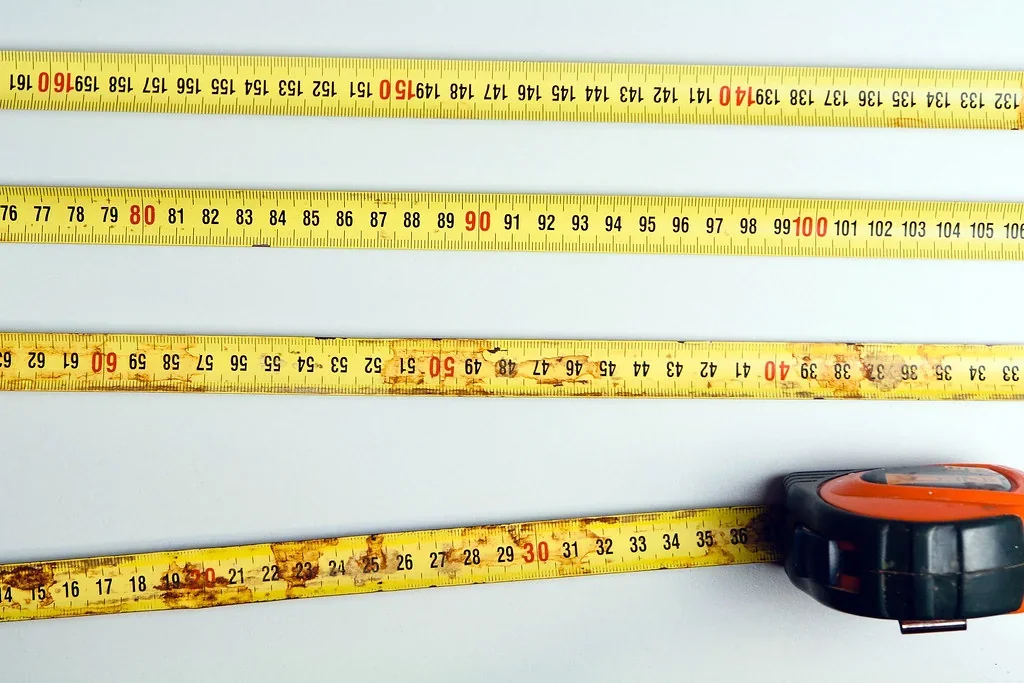
Counting tiles before you order saves money and avoids a mid-job trip to the shop. Measure the length and width of the room, then work out the floor area. Divide that area by the area of one tile to get a rough count. Then add extra for cuts and waste, because no room is a perfect rectangle.
Waste allowance depends on the pattern and the room shape. A straight grid in a square room needs about 10 percent extra. A diagonal or herringbone pattern needs about 15 percent extra, because angled cuts waste more tile. Odd-shaped rooms with many corners need extra too, since each corner means a cut tile.
Buy all your tiles from the same batch if you can. Tiles from different batches can differ slightly in colour, and that difference shows once they are laid. The Tile Quantity Calculator can work out the count for your room. Keep a few spare tiles after the job for future repairs.
How to Estimate Your Total
Start your estimate by measuring each room in full. Write down the length and width, and note any alcoves, doorways, or built-in units. Work out the floor area, then use the tile calculator linked below to count the tiles you need. Add your waste allowance on top of that count.
Next, list the prep work your room needs. Does the old floor need removal? Is the subfloor flat and sound? Does the room need waterproofing? Each yes adds cost, and it is better to know now than halfway through the job. If you are unsure about the subfloor, ask a fitter to look before you order tiles.
Finally, get quotes and compare them like for like. Check that each quote covers the same work: removal, prep, tile, adhesive, grout, trim, and sealing. A cheap quote that leaves out prep is not cheaper in the end. For a rough total cost of the whole floor, try the Flooring Cost Estimator. It can help you work out a ballpark figure for your room.
FAQ: How Much Does Tile Flooring Cost?
What is the cheapest tile flooring?
Basic ceramic tile is usually the cheapest tile flooring to buy and to fit. It suits light-traffic rooms and large areas on a budget. Porcelain and natural stone cost more, yet they last longer in wet and busy rooms.
Is porcelain tile worth the extra cost?
Porcelain is worth the extra cost in wet rooms, kitchens, and busy floors, because it resists water, chips, and stains better than ceramic. In a dry bedroom or a light-traffic room, ceramic is often enough and costs less.
Does tile size change the total cost?
Yes, tile size changes both the tile price and the labour cost. Large tiles often cost more per square foot, yet they lay faster. Small tiles cost less per tile, yet they take longer to lay, so labour is higher.
How much extra tile should I buy?
Buy about 10 percent extra for a straight grid in a square room. Buy about 15 percent extra for a diagonal or herringbone pattern, or for a room with many corners. Keep a few spare tiles after the job for future repairs.
What adds the most hidden cost to a tile floor?
Subfloor repair is the most common hidden cost, because problems only show once the old floor is up. Waterproofing in wet rooms and levelling an uneven floor also add cost. An itemised quote helps you see these costs before work starts.
Is it cheaper to install tile myself?
DIY saves the labour cost, which is often the largest share of the bill. It suits small, simple jobs with a straight pattern. Large rooms, complex patterns, and showers are usually worth hiring a pro for, because mistakes cost more to fix.
Flooring Cost Breakdown Calculator
See what a flooring job really costs — line by line. Enter your room and your prices, and get the material, labor, underlayment, trim and removal costs separately, not just one lump sum.
3 steps
- Step 1 — Measure: measure the room length and width in feet and inches.
- Step 2 — Price: enter the price per square foot for material, labor and underlayment, plus trim and removal.
- Step 3 — Check the breakdown: read each cost line, then the estimated total at the bottom.
Your cost breakdown will appear here. Fill in the room size and prices above, or press the example button.
Shop on Amazon (optional)
We do not recommend a specific product. Search Amazon yourself for the flooring you want.
As an Amazon Associate, we earn from qualifying purchases.
Save this estimate
How each cost line is worked out
First the tool works out the room area. A room of 12 ft by 15 ft is 180 sq ft. Then it adds waste only to the material, because you buy extra boards for cuts, but you do not pay labor for boards that end up as offcuts.
- Net area = length × width, with inches converted as feet + inches ÷ 12.
- Order area = net area × (1 + waste ÷ 100).
- Material cost = order area × material price per sq ft.
- Labor cost = net area × labor price per sq ft.
- Underlayment cost = net area × underlayment price per sq ft.
- Trim cost = trim length in linear ft × trim price per linear ft.
- Total = material + labor + underlayment + trim + removal.
- Total per sq ft = total ÷ net area.
Worked example A — the example button
Room 12 ft × 15 ft = 180 sq ft net. Waste 10% gives an order area of 198 sq ft. Material at $3.49 per sq ft is $691.02. Labor at $2.50 per sq ft on 180 sq ft is $450.00. Underlayment at $0.50 per sq ft is $90.00. Trim of 50 linear ft at $1.20 is $60.00. Removal is $100. The estimated total is $1,391.02, which is $7.73 per sq ft.
Worked example B — material only
Room area 100 sq ft, waste 0%, material $2.00 per sq ft, and every other price 0. The order area stays 100 sq ft, material cost is $200.00, and the estimated total is $200.00. This is the check to use if you only want a material price and nothing else.
Worked example C — no labor, no removal
Room 10 ft × 10 ft = 100 sq ft net, waste 10% gives 110 sq ft to order. Material at $4.00 per sq ft is $440.00. Underlayment at $0.40 per sq ft on 100 sq ft is $40.00. Trim of 40 linear ft at $1.00 is $40.00. Labor and removal are both 0. The estimated total is $520.00, which is $5.20 per sq ft.
What this calculator does not do
- It does not give a contractor quote or promise an installer price.
- It does not include tax, delivery, stairs, subfloor repair or furniture moving, unless you add those amounts yourself to the removal field or a price field.
- It does not collect your name, email or address, and it does not send your estimate anywhere. Saved projects stay on your own device.
Disclaimer: This is an estimate only, not a contractor quote. Prices vary by product, area and installer.
Frequently asked questions
Is this a contractor quote?
No. This is an estimate only, not a contractor quote. Prices vary by product, area and installer. Use the total to plan your budget, then get a written quote from your installer.
Why is labor charged on the net area but material on the order area?
Labor is paid for the floor you actually cover, so it uses the net room area. Material must cover cuts and waste too, so it uses the larger order area, which is net area plus waste.
Does the total include tax or delivery?
No. Tax, delivery and any permit fees are not included. Add them separately if your store or installer charges them.
What if I do the work myself?
Enter 0 for labor price per square foot. The tool will then show only material, underlayment, trim and removal costs.
What should I put for old-floor removal?
Enter the flat amount your installer charges to remove the old floor, or 0 if there is no old floor to remove or removal is already included in another price.
Can I save more than one estimate?
Yes. Give the estimate a name and save it. You can save up to 10 projects on this device and load any of them later.
Related tools
Conclusion
How much does tile flooring cost? It depends on the tile, the size, the finish, the pattern, and the state of your floor. A basic ceramic floor on a flat subfloor sits at the lower end of the range. A large porcelain or stone floor with a complex pattern sits at the higher end. Labour and prep work often add as much as the tile itself.
Plan the job before you order anything. Measure the room, count the tiles with a waste allowance, list the prep work, and get two or three itemised quotes. With a clear range and a counted order, your tile floor will look good and last for years without surprise costs.