
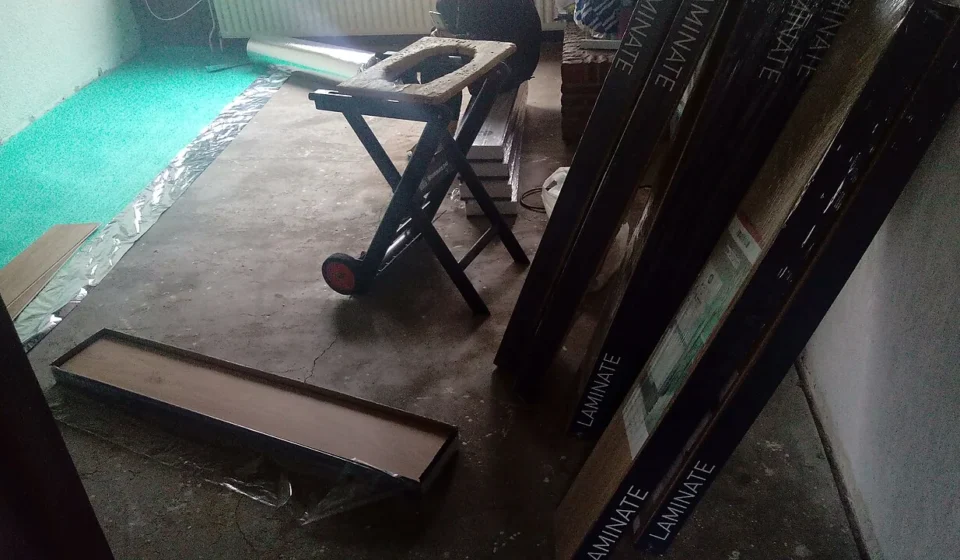

Vinyl plank flooring cost per square foot is the number most buyers use to compare products and plan a budget. It tells you what one square foot of floor costs, so you can work out the total for any room size. The number looks simple, yet it hides a wide range, because wear layer, quality, and brand all move the price. Knowing what sits behind the number helps you compare floors fairly.
This guide explains what per square foot means for vinyl plank, which factors move the cost, and what a realistic range looks like. You will also learn what installation adds and how many boxes your room needs. By the end, you will know how to read a price tag and plan your floor with confidence.
What “Per Square Foot” Means for Vinyl Plank
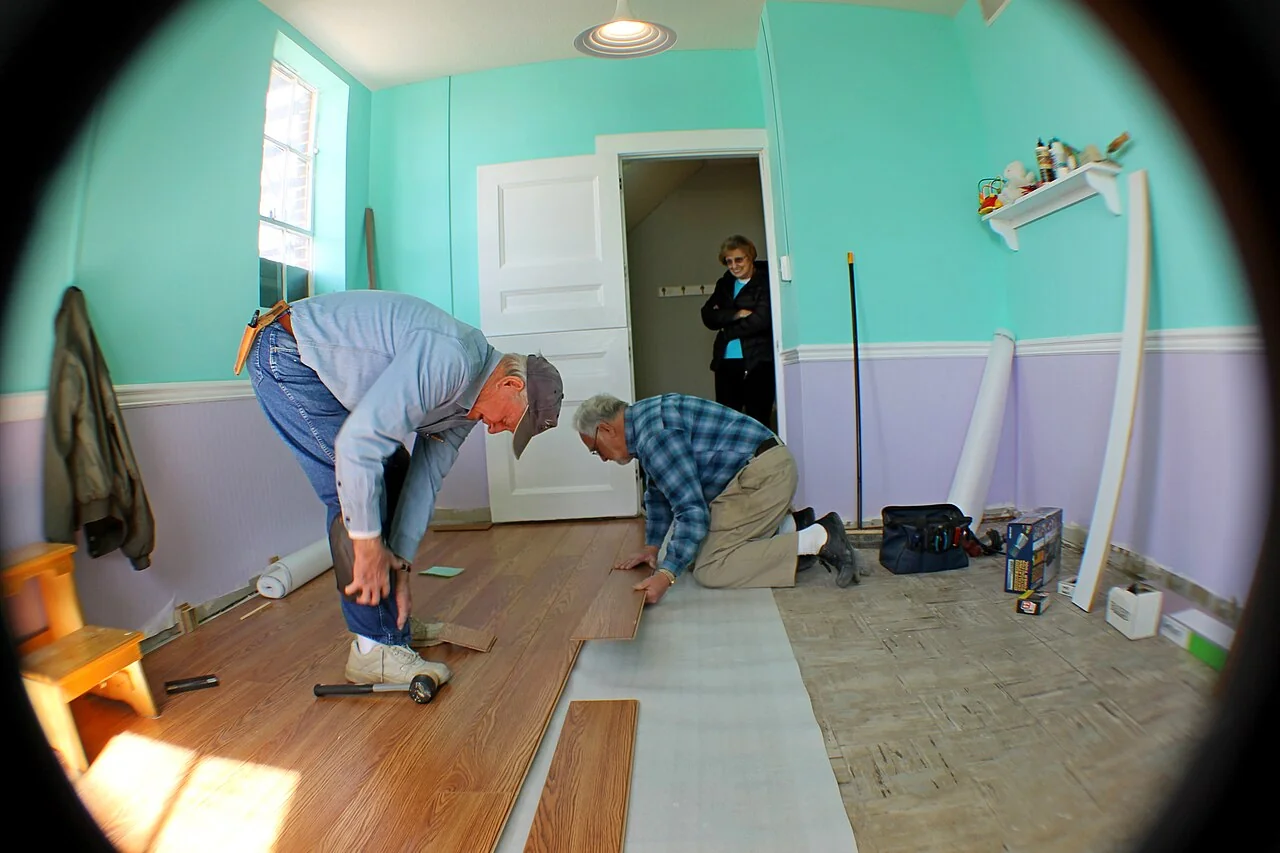
Per square foot is the price of one square foot of vinyl plank flooring. Shops quote it this way so you can compare products of different box sizes on equal terms. To find the cost of a room, you multiply the per square foot price by the area of the room. A room of 200 square feet at a mid-range price costs twice as much as a room of 100 square feet.
The quoted price usually covers the planks only, not the full job. Underlayment, adhesive, trim, and labour are often charged on top, so the plank price is not the total cost. Always ask what is included in a quoted price before you compare two products. A low plank price with costly extras can end up dearer than a higher plank price with extras included.
Boxes are the other unit you will meet in a shop. Each box covers a set number of square feet, and that number differs by brand and plank size. Divide your room area by the coverage of one box to find how many boxes you need. Add extra for cuts and waste, because no room uses every plank perfectly.
Cost Factors: Wear Layer
The wear layer is the clear top coat that protects the printed design from scratches and stains. It is measured in mil, and a thicker wear layer usually costs more. A 6 mil wear layer suits a spare bedroom with light traffic. A 12 mil layer suits a living room, while a 20 mil layer suits a busy home or a rental.
Thicker wear layers last longer in real use. They resist scuffs from shoes, scratches from pets, and stains from spills. A thin wear layer can show wear in a hallway within a few years, while a thick one keeps looking fresh for far longer. Paying more for a thicker wear layer is often the best value in a busy room.
Check the wear layer on the spec sheet, not just the price tag. Two planks can look the same on a shelf yet differ widely in wear layer thickness. A cheap plank with a thin wear layer may need replacing sooner, which costs more in the long run. Match the wear layer to the traffic in the room, not to the lowest price.
Cost Factors: Quality and Brand Tier
Quality tier is the next big factor in vinyl plank cost per square foot. Budget planks are thin, with a simple core and a thin wear layer. Mid-range planks are thicker, with a stronger core and a clearer printed design. Premium planks add a rigid stone or wood core, a thick wear layer, and a more realistic wood or stone look.
Brand tier also moves the price, because known brands often charge more for the same spec. A lesser-known brand can offer the same wear layer and core at a lower price. The brand name alone does not prove quality, so compare the spec sheet: wear layer, core type, plank thickness, and warranty length. Those numbers tell you more than the logo on the box.
Warranty length is a useful clue to quality. A long residential warranty often goes with a thicker wear layer and a stronger core. A short warranty can signal a budget plank built for light use. Read the warranty terms too, because some cover only the wear layer and not the core or the joints.
Cost Factors: Core Type and Plank Thickness
The core is the middle of the plank, and its type changes both cost and feel. Flexible vinyl plank has a soft core and is often the cheapest option. It needs a very flat subfloor, because it shows every bump below. WPC, or wood plastic composite, has a thicker, softer core that feels warmer underfoot.
SPC, or stone plastic composite, has a rigid stone core that is dense and stable. It costs more than flexible vinyl, yet it resists dents and handles temperature changes well. SPC is a common pick for busy homes and for rooms over concrete. The rigid core also makes the plank easier to fit, because it clicks together and floats over the subfloor.
Plank thickness follows the core type in most cases. Thin planks of 4 mm or less are usually flexible vinyl. Thicker planks of 5 mm to 8 mm are usually rigid core, with a stronger feel. A thicker plank also hides small subfloor flaws better.
Cost Factors: Underlayment and Extras
Underlayment is the layer that sits between the plank and the subfloor. Some planks have a pad attached, while others need a separate underlayment bought on top. A separate underlayment adds to the per square foot cost, yet it improves sound, warmth, and comfort underfoot. It can also help smooth small flaws in the subfloor.
Trim and transition pieces are another extra that buyers forget. Planks at doorways need transition strips, and the edges along walls need skirting or quarter-round trim. These pieces are sold by length, and they add a noticeable sum in a large home. Stair nosing costs more still, if your job includes stairs.
Cost Range: A Rough Idea
Vinyl plank flooring cost per square foot sits in a wide range, from budget to premium. Budget flexible plank sits at the lower end, with a thin wear layer and a simple core. Mid-range rigid core plank sits in the middle, with a thicker wear layer and a more realistic design. Premium plank with a thick wear layer and a stone core sits at the higher end.
Think of the range in three bands rather than one number. The lower band suits spare rooms and light traffic, where a thin wear layer is enough. The middle band suits living rooms, bedrooms, and family homes with normal traffic. The upper band suits busy homes, rentals, and rooms with pets, where a thick wear layer earns its cost.
The range also moves with the shop and the season. Sales and clearance lines can cut the price, while a new range can cost more. For a rough total, try the Flooring Cost Estimator.
Installation Cost
Installation adds to the plank cost, and the amount depends on how the floor is fitted. Click-lock floating floors are the cheapest to fit, because they need no glue and go down fast. Glue-down floors cost more to fit, because the adhesive and the flat subfloor take extra time.
Prep work can add a large share to the installation bill. Removing an old floor, levelling an uneven subfloor, and fitting underlayment all take time. A room with many corners, doorways, or pipes needs more cuts, which slows the work. Ask your fitter what the quote covers, so prep and trim are not a surprise later.
DIY fitting can save the labour cost on a simple click-lock job. Vinyl plank is one of the friendlier floors for a first DIY project, because the planks click together and cut with a knife or saw. A large room or a complex layout still benefits from a pro, who works faster and wastes fewer planks. Weigh your time and skill before you decide.
How Many Boxes You Need
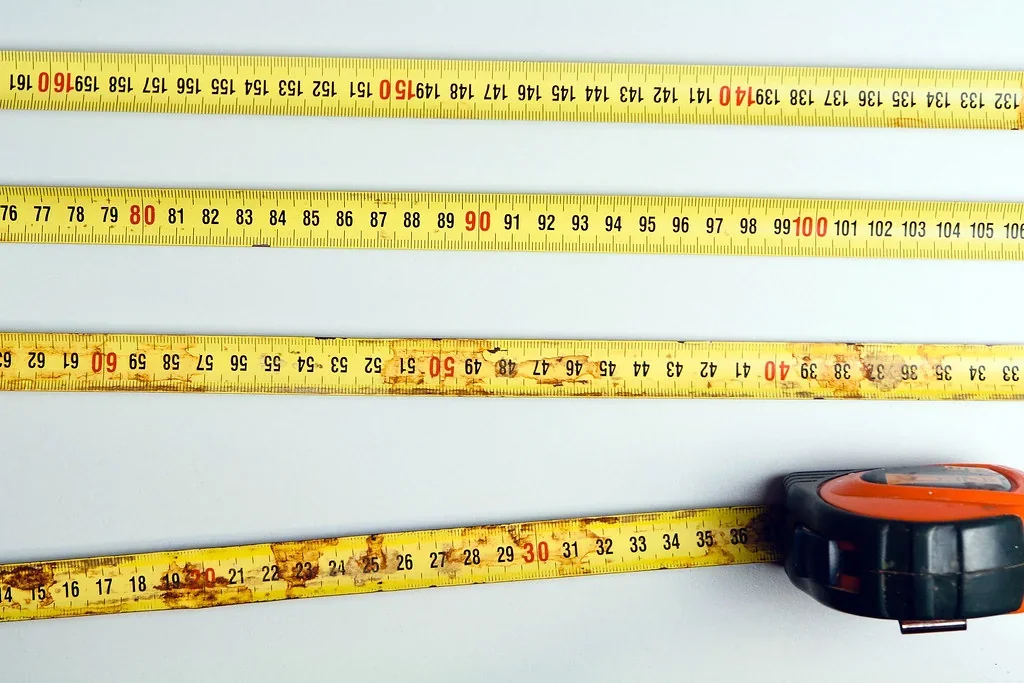
Counting boxes before you order avoids a mid-job trip to the shop. Measure the length and width of the room, then work out the floor area. Check the coverage printed on the box, which tells you how many square feet one box covers. Divide the room area by the box coverage to find the number of boxes.
Add extra for cuts and waste, because no room uses every plank perfectly. A square room with a straight layout needs about 10 percent extra. A room with many corners, or a diagonal layout, needs about 15 percent extra. Round up to a whole box, since shops sell by the box and not by the plank.
Keep one spare box after the job if you can. A damaged plank is easy to replace when you have a matching spare from the same batch. Planks from a later batch can differ slightly in colour, and that difference shows on the floor. The Flooring Box Calculator can work out the box count for your room.
FAQ: Vinyl Plank Flooring Cost Per Square Foot?
What is a good price per square foot for vinyl plank?
A good price depends on the wear layer and the core, not on the number alone. Budget plank with a thin wear layer costs the least, while premium rigid core plank costs the most. Match the spec to the traffic in your room before you judge the price.
Does a thicker wear layer cost more?
Yes, a thicker wear layer usually costs more per square foot. A 20 mil wear layer costs more than a 6 mil layer from the same range. The extra cost buys a longer life in busy rooms, so it is often good value.
Is SPC more expensive than WPC vinyl plank?
SPC often costs a little more than WPC at the same wear layer, because its stone core is denser and more rigid. WPC feels softer and warmer underfoot, while SPC resists dents better. Both are rigid core floors, so pick by feel and by room use.
Does installation cost extra on top of the plank price?
Yes, installation is usually charged on top of the plank price, by the square foot or by the job. Click-lock floors cost less to fit than glue-down floors. Prep work, underlayment, and trim add to the total as well.
How many boxes of vinyl plank do I need?
Divide your room area by the coverage printed on one box, then add about 10 percent for waste. Add about 15 percent for a diagonal layout or a room with many corners. Round up to a whole box, and keep a spare box for future repairs.
Is cheap vinyl plank worth buying?
Working out boxes by hand is slow and easy to get wrong. The Flooring Box Calculator works out how many boxes your room needs from its size and the box coverage. Try it here: Flooring Box Calculator
Flooring Cost Estimator
Compare vinyl, laminate, hardwood, tile and carpet costs for your room — prices fully editable.
| Flooring type | Material $/sqft | Install $/sqft |
|---|---|---|
| Vinyl Plank | ||
| Laminate | ||
| Solid Hardwood | ||
| Ceramic Tile | ||
| Carpet |
| Type | Material | Install | Total |
|---|
Cost comparison
📝 Note: Estimates cover material + installation only. Underlayment, old-floor removal, trim and taxes are not included — add ~10–15% for those.
Frequently asked questions
Are these prices accurate for my area?
Prices vary a lot by region and by product quality. The defaults are reasonable US averages, but for a real quote you should edit the material and install prices above using 2–3 local quotes, then re-run the estimate.
Why is tile install so expensive?
Tile installation is slow, skilled work: subfloor prep, mortar, cutting, grouting and sealing. Labor often costs more than the tile itself, especially in bathrooms with plumbing cuts and waterproofing.
Does this include underlayment or old-floor removal?
No. This estimate covers material + installation only. Underlayment, tear-out of old flooring, baseboards and taxes typically add another 10–15% to the project — budget for them separately.
Should I DIY or hire a pro?
Click-lock vinyl and laminate are very DIY-friendly and can save you $2–$4 per sq ft in labor. Hardwood and tile demand experience and special tools — mistakes there get expensive fast, so a pro usually pays for itself.