
Choosing flooring comes down to matching a surface to how a room is actually lived in. The right floor handles the traffic, the moisture, the pets and the kids of that space for years, while the wrong one wears out fast or fights your routine from day one.
There is no single best flooring – only the best flooring for a given room, budget and lifestyle. This guide breaks down the six main options, the pros and cons of each, and the rooms where they genuinely shine, so you can decide with confidence.
Hardwood and Engineered Wood
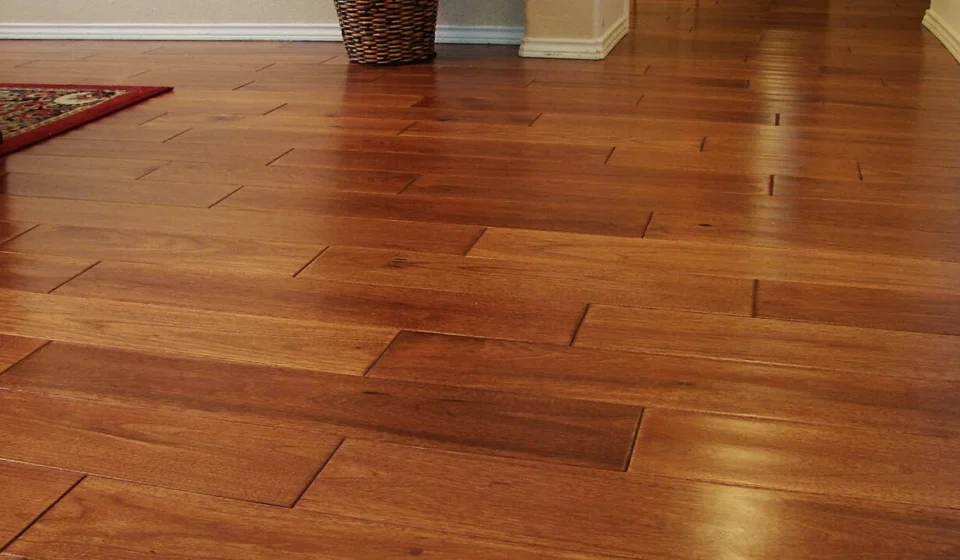
Hardwood is the classic premium floor: warm, durable and it adds resale value. Solid hardwood can be sanded and refinished several times, which is why it lasts for decades in living rooms and bedrooms. Engineered wood layers a real hardwood wear layer over plywood, so it handles moisture and subfloor movement better and works in basements and over slabs.
Best rooms: living rooms, dining rooms, bedrooms, hallways. Avoid it in full bathrooms and laundry rooms where standing water can ruin the planks.
Maintenance is simple: sweep or vacuum, then mop with a wood-safe cleaner that is not too wet. Solid hardwood expands and contracts with humidity, so you need climate control and a proper moisture barrier. Engineered wood handles that movement better, which is why it is the practical choice for kitchens, sunrooms and over concrete slabs where solid planks are risky.
Laminate
Laminate mimics wood or tile with a photographic layer under a tough clear coat. It is cheaper than hardwood, scratch-resistant and easy to install as a floating floor, which makes it a favourite for busy family rooms.
Best rooms: living areas, bedrooms, hallways, kids rooms. It is not the best pick for bathrooms or anywhere spills sit for long, because moisture can creep into the seams.
The photographic surface means what you see is baked in, so laminate stays looking consistent for years without refinishing. Watch for seams swelling if water sits, and choose a higher AC (abrasion class) rating for busy rooms. Modern laminate comes in wood, tile and stone looks at a fraction of the cost of the real thing, which is its biggest draw.
Vinyl (LVP and LVT)
Vinyl plank and vinyl tile are fully waterproof and quiet underfoot, which makes them the most versatile option on this list. Luxury vinyl plank (LVP) convincingly copies hardwood, while luxury vinyl tile (LVT) copies stone and ceramic. Both install as floating or glue-down floors and hold up in wet rooms.
Best rooms: kitchens, bathrooms, laundry rooms, basements, entryways, and anywhere with pets or moisture. It is the safest all-rounder for most homes.
Installing vinyl is approachable for a confident DIYer, and the click-lock planks click together over a flat subfloor with no glue. It is warm and slightly cushioned compared with tile, which makes it kinder on feet and dropped dishes. The main trade-off is that high-traffic areas can show wear over many years, so buy a thicker wear layer for kitchens and entryways.
Tile (Ceramic and Porcelain)
Tile is hard, waterproof and long-lasting, and porcelain is the toughest of the two. It handles heavy traffic and heat and looks great in kitchens and baths, though it is cold and hard underfoot without area rugs or heating.
Best rooms: kitchens, bathrooms, entryways, mudrooms. Grout needs sealing, and tile can crack if something heavy is dropped on it.
Tile keeps a room cool in summer and takes heat well, which suits radiant floor heating in bathrooms. It does not stain or hold odors, making it easy to keep clean. The downsides are that it feels hard and cold underfoot, grout lines need occasional sealing, and a dropped heavy object can chip a tile, so keep a few spares from the same dye lot.
Carpet
Carpet is warm, soft and quiet, and it is the kindest floor for a child learning to crawl or for a room where you sit on the floor. It needs regular vacuuming and occasional deep cleaning, and it absorbs spills rather than repelling them.
Best rooms: bedrooms, living rooms, media rooms, nurseries. Avoid it in kitchens, baths and anywhere with heavy moisture or food traffic.
Carpet cushions falls and absorbs sound, which makes it the favourite for bedrooms and stairs. The pile traps dust and allergens, so a good vacuum and regular professional cleaning matter, especially with pets. Carpet also fades in strong sun and shows traffic paths over time, so rotate furniture and consider a high-quality pad underneath.
Concrete and Polished Concrete
Concrete is the most durable and lowest-maintenance floor of all – it is already poured under most homes. Polished or stained concrete looks modern, feels cool in summer, and costs little to finish. It is hard and cold underfoot, so rugs and heated floors help in living spaces.
Best rooms: basements, garages, kitchens, modern lofts and open living areas. It suits industrial and minimalist looks but feels harsh in bedrooms.
Polished concrete is finished with a densifier and diamond grind, which gives it a smooth, low-sheen look that needs little more than sweeping and occasional damp mopping. Staining adds colour and pattern on top of the slab. Because it is already in place under most homes, the cost is often just the finishing work, making it an economical and eco-friendly choice.
How to Choose the Right Flooring
Work through these points room by room and you will avoid the most common flooring mistakes. If you are pulling up an old floor first, our guide to cleaning old linoleum covers what can be rescued.
- Rate each room for traffic, moisture and pets – a wet, heavy-traffic room needs waterproof vinyl or tile, while a low-traffic bedroom suits hardwood or carpet.
- Set your budget band first, then pick the best material inside it. Compare like for like: vinyl costs far less than hardwood to install and maintain.
- Think about underfoot feel. Carpet and cork are soft; tile, concrete and stone are hard and cold without rugs or heating.
- Match the floor to your skill level. Floating vinyl and laminate suit a confident DIYer; hardwood and tile are better left to a pro.
- Keep resale in mind. Hardwood is the safest long-term value, but waterproof vinyl is what many modern buyers expect in kitchens and baths.
- Consider light and feel. In a bright room, a wider plank and lighter tone open up the space; in a cosy room, carpet or a warm tone makes it more inviting.
- Plan for the subfloor. Floating floors need a flat, clean surface; glue-down and tile need a sound, moisture-checked base. Sort this out before you buy.
- Buy a little extra. Order about 10 percent more than your floor area for cuts, mistakes and future repairs, and keep the offcuts.
FAQ
Which flooring is cheapest to install?
Laminate and vinyl are generally the most budget-friendly to buy and install, and both can be laid as floating floors over a clean subfloor. Vinyl plank adds waterproofing for a small premium. Concrete is cheap only if you already have the slab poured. For a true budget build, floating laminate over a flat subfloor is the classic low-cost choice, with vinyl plank the waterproof step up. A laminate floor cleaner keeps that surface from swelling at the seams.
What is the most durable flooring?
Concrete is the most durable, followed closely by porcelain tile and luxury vinyl plank. All three resist moisture, scratching and heavy traffic well. Hardwood and carpet are more vulnerable and need more care. The catch is that concrete and tile feel cold and hard, so factor in rugs or heating for living spaces.
Is vinyl flooring really waterproof?
Yes, quality vinyl plank and tile are fully waterproof and can handle standing water, which is why they are the standard for kitchens, bathrooms and laundry rooms. Seams matter, so buy click-lock waterproof-rated product and follow install instructions. Always read the wear-layer and waterproof claims on the box, because not all vinyl is created equal.
Can you install hardwood in a bathroom?
Not recommended. Standing water and humidity warp solid and most engineered wood. If you want the wood look in a bath, choose waterproof vinyl plank that copies wood instead. If the wood look is non-negotiable, engineered wood with a strong moisture seal can work in a powder room but is still a risk in a full bath.
What flooring adds the most resale value?
Hardwood consistently adds the most resale value and is the safest investment. Next come quality vinyl plank and porcelain tile, which buyers expect in kitchens and baths. Buy quality and install it well, because the finish and the underlayment matter as much as the material itself.
How long does each flooring type last?
Hardwood can last 50-plus years with refinishing, porcelain tile and concrete decades, quality vinyl 15 to 25 years, laminate 10 to 20, and carpet 5 to 15 years depending on traffic and care. Realistic lifespan comes down to traffic, moisture, care and the quality of the product and installation.
📐 Free Tool: Flooring Calculator
Enter your room size — see exactly how many boxes you need, waste included.
Conclusion
Flooring is a long-term decision, so weigh the room, the traffic and your budget before you buy. A waterproof vinyl handles the wet rooms, hardwood or laminate warms the living spaces, and concrete covers the toughest areas with little upkeep.
Match each floor to how the room is actually used, and you will end up with a home that is both practical and comfortable for years to come.