


What is a subfloor? It is the strong, flat layer that sits under your finished floor and supports everything above it. You walk on wood, vinyl, tile, or carpet, but the subfloor carries the load below. It spreads weight across the joists, keeps the floor level, and gives the top layer a firm base to rest on.
Most people never see their subfloor until a floor is removed or a repair is needed. That hidden layer still shapes how a floor feels, sounds, and lasts. A flat, dry, and solid subfloor helps new flooring fit well and stay in place. A weak or damaged one can cause squeaks, dips, and early wear, even if the top floor looks fine.
What Is a Subfloor?
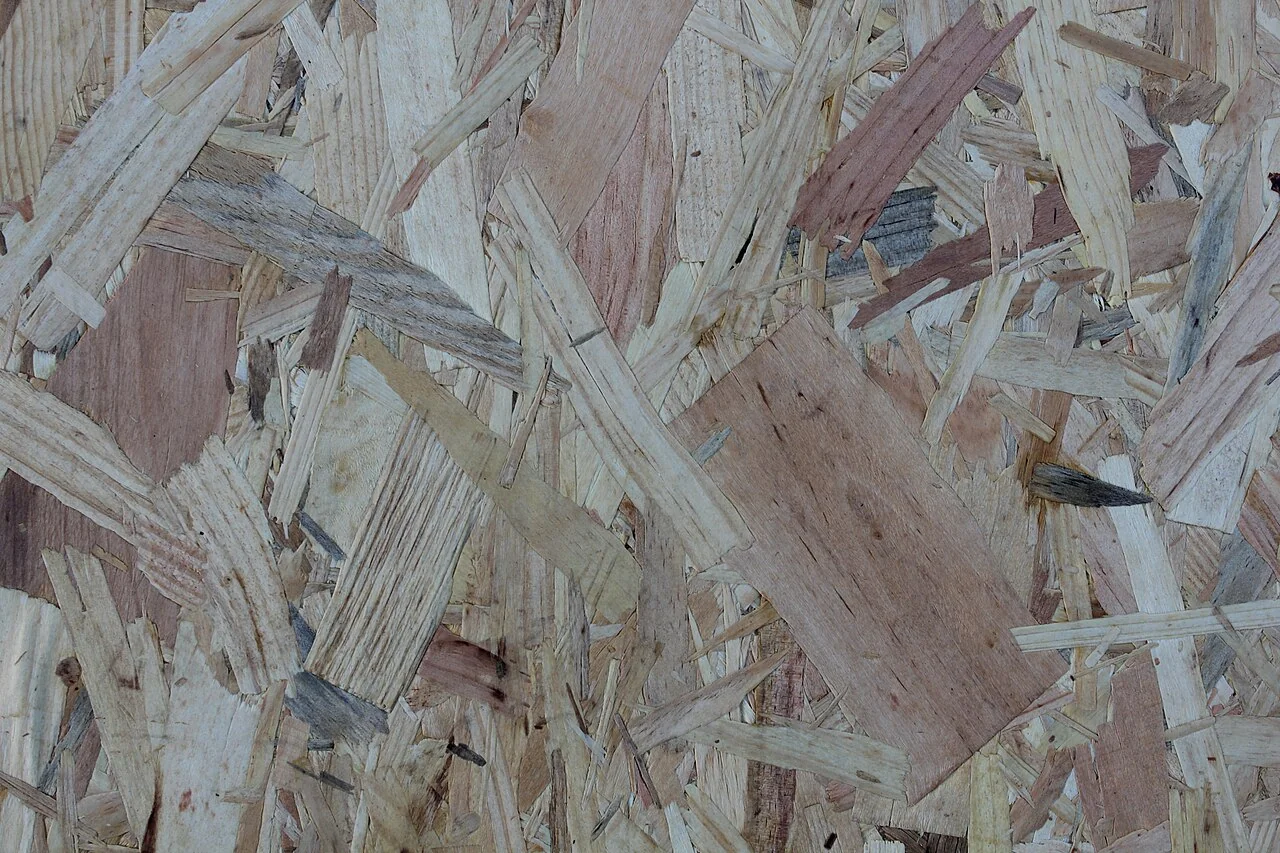
A subfloor is the structural layer between the floor joists and the finished floor you see. It is usually made from plywood or oriented strand board, known as OSB. In some older homes, it may be made from wide wood planks laid side by side. Its main job is to create a flat, stable platform for the floor above.
The subfloor does more than hold the top layer up. It ties the joists together and adds strength to the whole floor frame. It also helps spread the weight of people, furniture, and appliances so no single spot takes too much load. Without it, a finished floor would flex, crack, or feel bouncy underfoot.
Think of the subfloor as the base of a sandwich. The joists form the frame below, the subfloor forms the firm middle, and the finished floor forms the top. Each layer has a job, and each one depends on the layer below it. If the middle layer is weak, the top layer cannot perform well for long.
Subfloors also help with sound and comfort. A solid subfloor cuts down on hollow sounds and reduces bounce when you walk. In a bathroom or kitchen, a sound subfloor is even more important because it must cope with spills and damp air.
Types of Subfloor
Plywood is one of the most common subfloor materials in homes today. It is made from thin sheets of wood glued together with the grain running in different directions. This cross-grain build makes it strong, stable, and less likely to split. Plywood also holds screws and nails well, which helps keep the floor firm and quiet.
OSB is another common choice, and it is often used in new builds. It is made from wood strands pressed together with resin to form a large sheet. OSB is usually cheaper than plywood and comes in large, flat panels. It can swell at the edges if it gets wet, so it needs care during building and good protection from water.
Concrete slabs act as the subfloor in many homes built on a slab base. In these homes, there are no wood joists below the living space. The concrete itself forms the base, and the finished floor sits on top of it. Concrete is very strong and does not flex like wood, but it can feel cold and hard underfoot.
Older homes may have a plank subfloor made from boards laid across the joists. These boards are often one inch thick and run at an angle to the joists. Plank subfloors can last a long time, but gaps can open between boards as wood dries and shrinks. Those gaps can cause squeaks and make a new floor harder to lay flat.
The best subfloor material depends on the room, the joist spacing, and the finished floor you plan to use. Tile needs a very stiff base to stop cracks in grout, and hardwood needs a base that holds nails well and stays flat. Vinyl needs a smooth base with no bumps or gaps. The guide to the best subfloor material compares common options and where each one works best.
Subfloor vs Underlayment
A subfloor and an underlayment are not the same thing, even though both sit below the finished floor. The subfloor is the structural layer fixed to the joists. It carries weight and forms the main base of the floor. The underlayment is a thinner layer that sits on top of the subfloor, just under the finished floor.
Underlayment has a different job. It smooths small bumps, fills minor gaps, and gives the top floor a clean, even surface. It can also add a little cushion, cut noise, and help with damp in some cases. It does not carry the main load of the floor, and it cannot fix a weak subfloor on its own.
You need a sound subfloor first, then you add underlayment if the top floor needs it. Some floors, such as many vinyl planks, come with a built-in pad and need no extra layer. Check the maker’s guide before you skip it.
Skipping underlayment is fine in some cases, but skipping a sound subfloor is never fine. If the subfloor is soft, loose, or uneven, the underlayment will follow the same dips and bumps. The finished floor will then show those faults, and it may wear out faster. Fix the subfloor first, then choose underlayment based on the top floor and the maker’s guide.
Signs of a Bad Subfloor
Squeaks are one of the first signs of a subfloor problem. A squeak often means the subfloor has come loose from a joist, or a nail has worked free over time. The floor may still look fine, but the noise tells you that movement is happening below. Small squeaks can be fixed, but wide squeaks may point to a bigger issue.
Soft or spongy spots are a more serious warning sign. If a floor feels soft when you step on it, the wood below may be damp, rotted, or damaged by pests. This is common near baths, toilets, sinks, and outside doors, where water can leak and sit unseen. Soft spots should be checked soon, as they can get worse fast.
Dips, sags, and uneven areas also point to subfloor trouble. A dip may mean a joist has settled, a board has cracked, or water has weakened the wood. You may notice a ball rolling to one side, or a gap under a skirting board. A level can help you spot low areas, but your feet often find them first.
Cracks in tile, gaps in wood, and cupped boards can also start below the surface. When the subfloor moves, the top floor moves with it, and joints open up. Tile grout may crack, wood planks may gap, and vinyl may lift at the seams. These faults often return after a surface fix if the subfloor is not repaired.
Smells and stains are other clues to check. A musty smell can mean damp wood or mould below the floor. Dark stains on a ceiling below, or stains around a toilet base, can mean a slow leak has reached the subfloor. In these cases, find and fix the water source first, then check the wood for damage.
What to Do Before New Flooring

Start by checking the subfloor for flatness before you order new flooring. Use a long straight edge or a level across the floor in several places. Most makers allow only a small gap under a straight edge, often about 3 mm over a long span. Mark any high or low spots so you can plan the fix.
Next, check for loose boards, raised nails, and squeaks. Walk the whole floor slowly and listen for noise. Tighten loose screws, drive down raised nails, and fix loose panels before the new floor goes down. A quiet, firm base now will save you from noise and movement later.
Check for damp as well, especially in kitchens, bathrooms, and basements. Look for stains, soft wood, and signs of past leaks. Use a moisture meter if you have one, or ask a fitter to test the floor. New flooring fitted over a damp subfloor can lift, warp, or grow mould, so the base must be dry first.
Clean the subfloor well before you start. Sweep up dust, remove old glue, staples, and nails, and fill small holes with a suitable filler. A clean, smooth base helps glue stick well and helps click-lock floors sit flat. Take time on this step, as it shapes the final result.
If the subfloor is damaged, replace the bad section rather than covering it up. Cut out the soft or rotted board, check the joists below, and fit a new panel of the same thickness. Make sure the new panel sits level with the old floor and is fixed firmly to the joists. If damage is wide, get a builder or floor fitter to check the frame.
Finally, plan how much material you need before you buy. Measure each room, note the shape, and add a little extra for cuts and waste. A subfloor calculator can help you work out how many panels you need. That way, you can order the right amount and avoid a second trip.
FAQ: What Is a Subfloor?
What is the purpose of a subfloor?
The purpose of a subfloor is to give the finished floor a flat, strong, and stable base. It spreads weight across the joists, ties the floor frame together, and stops the top floor from flexing or cracking. It also helps the floor feel firm and quiet underfoot.
How thick should a subfloor be?
Most wood subfloors are about 18 to 25 mm thick, but the right thickness depends on joist spacing and the finished floor. Wider joist gaps need a thicker panel to stop flex. Always check the maker’s guide for your top floor and the local building code.
Can you put new flooring over a bad subfloor?
You should not fit new flooring over a bad subfloor. Soft, loose, or uneven wood will show through the new floor and cause squeaks, gaps, and early wear. Fix or replace the damaged part first, then fit the new floor on a sound base.
Is a subfloor the same as a joist?
No, a subfloor is not the same as a joist. Joists are the long beams that form the floor frame and span between walls or supports. The subfloor is the sheet or board layer fixed on top of those joists. Together, they form the base that holds the finished floor.
How do I know if my subfloor is damaged?
Look for squeaks, soft spots, dips, stains, and musty smells. Check near water sources such as baths, sinks, and toilets. If the floor feels spongy or a level shows a clear dip, lift a small area or ask a fitter to inspect it.
Do I need underlayment over a subfloor?
It depends on the finished floor. Some floors need underlayment to smooth the surface or cut noise, while others have a built-in pad. Underlayment cannot fix a weak subfloor, so check the base first and follow the maker’s guide for your floor type.
Free Tool: Subfloor Calculator
Planning a subfloor job is easier when you know how many panels you need before you buy. The Subfloor Calculator helps you work out panel counts from your room size. That helps you order the right amount and plan cuts with less waste.
Conclusion
A subfloor is the hidden base that holds your whole floor together, and it deserves care before any new floor goes down. It carries weight, keeps the surface level, and helps the top layer last longer. Plywood, OSB, concrete, and plank each have a place, and the right choice depends on the room and the finished floor.
Before you fit new flooring, check for squeaks, soft spots, dips, and damp. Fix loose boards, replace damaged sections, and clean the base well. Use the calculator linked above to plan your panels, and check the best subfloor material guide if you are still choosing. A sound subfloor now means a quiet, flat, and long-lasting floor for years to come.


