
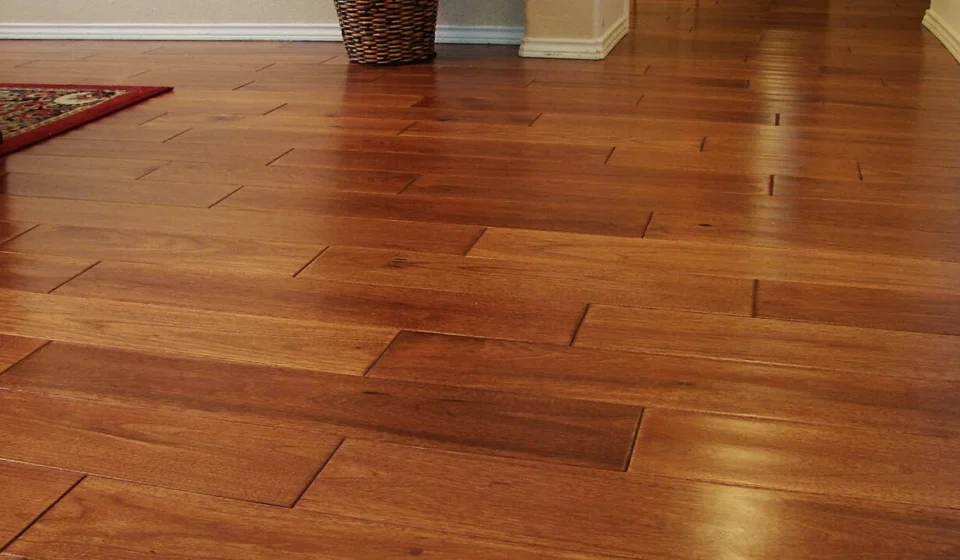

Solid hardwood vs engineered hardwood flooring is a choice many homeowners face when they want a real wood floor. Both floors use real wood on the surface, so they look warm and natural in a room. The real difference sits below the surface, in how each plank is built. That build changes how the floor handles water, how long it lasts, and how many times it can be refinished.
This guide explains both types in plain terms, compares them side by side, and shows the pros and cons of each. You will learn where each type works best and where it can cause trouble. By the end, you will know which wood floor fits your home, your rooms, and your budget.
Solid Hardwood in Short
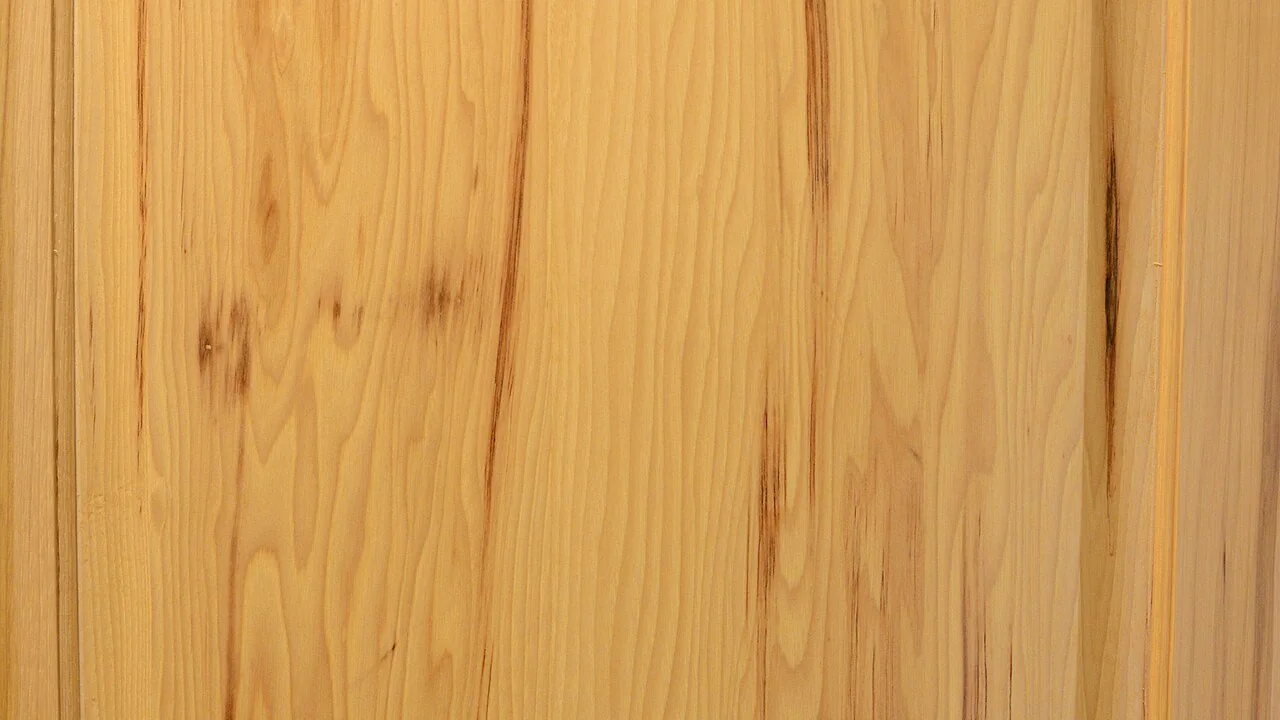
Solid hardwood is a plank cut from one solid piece of wood. Each board is the same wood all the way through, from the top face to the bottom. Oak, maple, hickory, and walnut are common choices, and each one has its own grain and colour. The planks are usually nailed or stapled down to a wood subfloor.
Because the wood is solid, the floor can be sanded and refinished many times over its life. Scratches, dents, and wear can be sanded away, and a fresh finish brings the floor back to life. A well-cared-for solid wood floor can last for decades, and it often adds value to a home. The trade-off is that solid wood reacts to water and humidity, so it can swell, shrink, or cup when conditions change.
Solid hardwood needs a stable indoor climate to stay flat and quiet. It is best in rooms above ground level with steady humidity. It does not suit basements or rooms where water spills are common. If you want a floor that can be renewed again and again, solid hardwood is hard to beat.
Engineered Hardwood in Short
Engineered hardwood is a plank built from layers of wood pressed together. The top layer is real hardwood, called the veneer, and it gives the floor its wood look. Below it are layers of plywood or high-density fibreboard, stacked with the grain running in different directions. This layered build makes the plank more stable than a solid board.
That stability is the main strength of engineered wood. The layers resist the swelling and shrinking that humidity causes in solid wood. Engineered floors can go over concrete, in basements, and above radiant heat in many cases. They are also sold in wide planks, which suit modern rooms and open plans.
The top veneer is the limit of an engineered floor. A thin veneer can only be refinished once, or not at all, while a thick veneer allows one or two light sandings. The floor still looks and feels like real wood underfoot. For rooms where solid wood would struggle, engineered wood is often the smarter pick.
Solid Hardwood vs Engineered Hardwood: Comparison Table
| Feature | Solid Hardwood | Engineered Hardwood |
|---|---|---|
| Build | One solid piece of wood | Real wood veneer over layered core |
| Cost | Usually higher material and install cost | Often lower, wide range by veneer thickness |
| Durability | Very tough, lasts decades with care | Tough, lifespan depends on veneer thickness |
| Water resistance | Low, swells with moisture | Better, more stable in humid rooms |
| Refinishing | Many times over its life | Once or twice, or never with thin veneer |
| Installation | Nail or staple to wood subfloor | Nail, glue, staple, or floating click-lock |
| Best rooms | Bedrooms, living rooms, above grade | Basements, kitchens, over concrete |
Cost is a factor for most buyers, and the two types sit in different ranges. Solid hardwood usually costs more to buy and more to install, because fitting takes skill and time. Engineered wood often costs less, yet a thick veneer and a wide plank can close that gap. The total cost also depends on the wood species, the finish, and the size of the room. Use the cost tool linked near the end of this guide to work out a rough total for your own job.
Water is where the two floors differ most in daily life. Solid wood soaks up moisture and can cup or gap when humidity swings. Engineered wood handles those swings better because its layers pull against each other. Neither floor likes standing water, so spills still need quick cleaning. In a bathroom or a laundry room, neither is the best choice.
Pros and Cons of Solid Hardwood
Solid hardwood has a long list of strengths that keep it popular. It can be sanded and refinished many times, so a worn floor can look new again. It feels solid underfoot and ages with character, and many buyers see it as a mark of quality in a home. The range of species, stains, and plank widths is wide, so it suits many styles.
The same floor also has real limits to weigh. It reacts to humidity, so gaps can open in dry winters and boards can swell in damp summers. It is not a good fit for basements or for fitting over concrete slabs. Fitting takes longer and costs more, and the floor needs a wood subfloor in most cases.
Noise is another small point to note. Solid wood can creak if the subfloor is uneven or the boards loosen over time. Pets with long claws can scratch softer species, though a hard finish helps. If you want the longest life and the freedom to refinish, these limits are often worth accepting.
Pros and Cons of Engineered Hardwood
Engineered hardwood wins on stability and on where it can be fitted. It handles humidity changes well, so it suits basements, kitchens, and rooms over concrete. Many types float over the subfloor with a click-lock edge, which makes fitting faster and simpler. Wide planks and long boards are easy to find, and the real wood top looks just like solid wood.
The main drawback is the veneer. A thin veneer cannot be sanded, so deep scratches may mean replacing a plank. A thick veneer helps, yet it costs more and still allows fewer refinishings than solid wood. Some cheaper engineered floors have a very thin top layer, so check the veneer thickness before you buy.
Quality varies more with engineered wood than with solid wood. The core, the glue, and the finish all affect how the floor performs over time. A well-made engineered floor can last for many years with normal care. A poorly made one can wear through the veneer or delaminate in damp conditions, so the maker and the spec sheet matter.
Which Should You Choose?

Choose solid hardwood if you want a floor that lasts for decades and can be refinished again and again. It suits bedrooms and living rooms above ground level, in homes with steady humidity. It is the classic pick for owners who plan to stay put and who value a floor that can be renewed rather than replaced.
Choose engineered hardwood if your room sits over concrete, in a basement, or above radiant heat. It is also the better pick when you want wide planks or a fast floating install. Homes with changing humidity, or rooms near a kitchen, often suit engineered wood better. The floor still gives you real wood on the surface, with far less worry about movement.
Your subfloor often decides the answer for you. A wood subfloor above grade takes either type with ease. A concrete slab points to engineered wood in most cases. If you are still unsure, see the guide to the best hardwood flooring. It compares top wood floor options and can help you narrow the choice. Think about water, humidity, and how long you plan to keep the floor before you decide.
Hardwood Flooring Pros and Cons at a Glance
Both types share the pros and cons of real wood floors in general. On the plus side, wood feels warm, looks natural, and suits almost any style of home. It does not trap dust the way carpet can, and it is easy to sweep clean. Many buyers pay more for a home with real wood floors, so it can add value when you sell.
On the minus side, wood floors scratch more easily than tile or vinyl. They need protection from water, and they can be noisy without rugs or underlay. Heavy furniture can dent softer species, and direct sun can fade the colour over time. These points apply to both solid and engineered wood, so plan for rugs, felt pads, and prompt spill cleaning.
The choice between solid and engineered is less about looks and more about the room. Both floors look like real wood because the surface is real wood. The right pick is the one whose build matches your subfloor, your humidity, and your plans for refinishing. Get those three points right, and either floor can serve you well for years.
FAQ: Solid Hardwood vs Engineered Hardwood Flooring?
Which is better, solid or engineered hardwood?
Neither is better in every home, because each suits different rooms. Solid wood wins on refinishing and long life in dry rooms above grade. Engineered wood wins on stability, basements, and fitting over concrete.
Can engineered hardwood be refinished?
It depends on the veneer thickness, which is the real wood top layer. A thick veneer of 3 mm or more can often be sanded once or twice. A thin veneer of 1 mm or less usually cannot be sanded at all.
Is engineered hardwood real wood?
Yes, the top layer is real hardwood, so it looks and feels like solid wood. The layers below are plywood or fibreboard, which give the plank its stability. The floor is not the same as laminate, which uses a printed image instead of real wood.
Can solid hardwood go in a basement?
Solid hardwood is not a good fit for most basements. Basements tend to be damp, and solid wood can swell, cup, or gap in those conditions. Engineered hardwood is the safer choice below grade in most homes.
Does engineered hardwood last as long as solid hardwood?
A good engineered floor with a thick veneer can last for decades with care. Solid hardwood usually lasts longer overall, because it can be refinished many times. The gap shrinks when the engineered floor has a thick top layer and a quality core.
Which costs more, solid or engineered hardwood?
Solid hardwood usually costs more to buy and to install. Engineered wood often costs less, though premium wide-plank engineered floors can cost as much as solid wood. The species, the finish, and the room size all move the total up or down.
Free Tool: Flooring Cost Estimator
Before you buy, it helps to know what your floor might cost in total. The Flooring Cost Estimator works out a rough cost for your room from its size and the type of floor you pick. Try it here: Flooring Cost Estimator
Conclusion
Solid hardwood vs engineered hardwood flooring comes down to the room, the subfloor, and how you plan to care for the floor. Solid wood offers the longest life and the most refinishing, and it suits dry rooms above grade. Engineered wood offers stability and flexibility, and it suits basements, concrete slabs, and humid rooms.
Both floors give you real wood underfoot and a warm, natural look. Match the build to your home. Check the veneer thickness if you pick engineered wood. Plan for simple care like felt pads and quick spill cleaning. With the right match, your wood floor will look good and serve you well for many years.


