
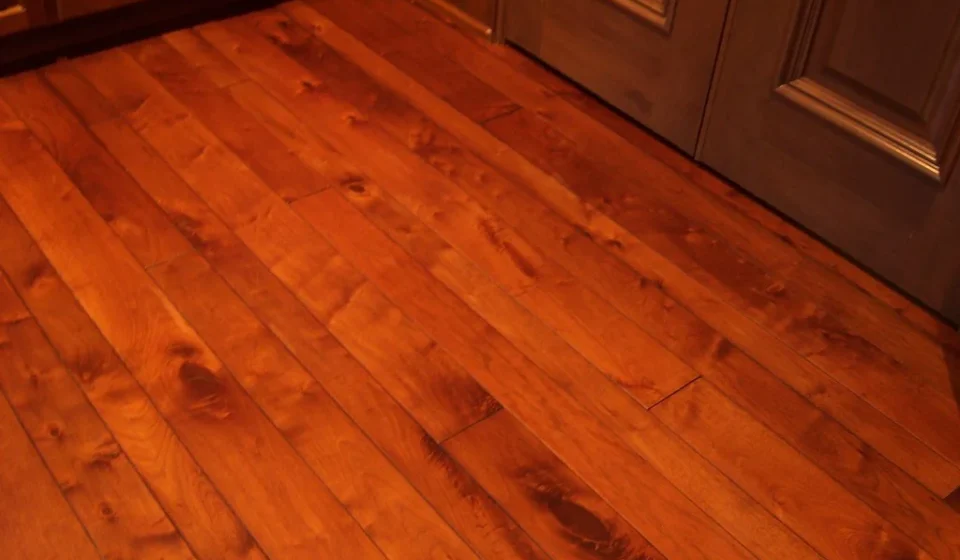

What is engineered hardwood flooring? It is a real wood floor made from layers, with a top layer of genuine hardwood bonded to a stable core below. It looks like solid wood and feels like solid wood underfoot. It can be sanded in some cases, yet it handles moisture and temperature changes better than a solid plank.
Engineered wood was made to solve the main weakness of solid wood: it moves, swells, and gaps when humidity changes. The layered core resists that movement, so the floor stays flatter and more stable. This guide explains how it is made, its pros and cons, and where it works best.
What Is Engineered Hardwood Flooring?
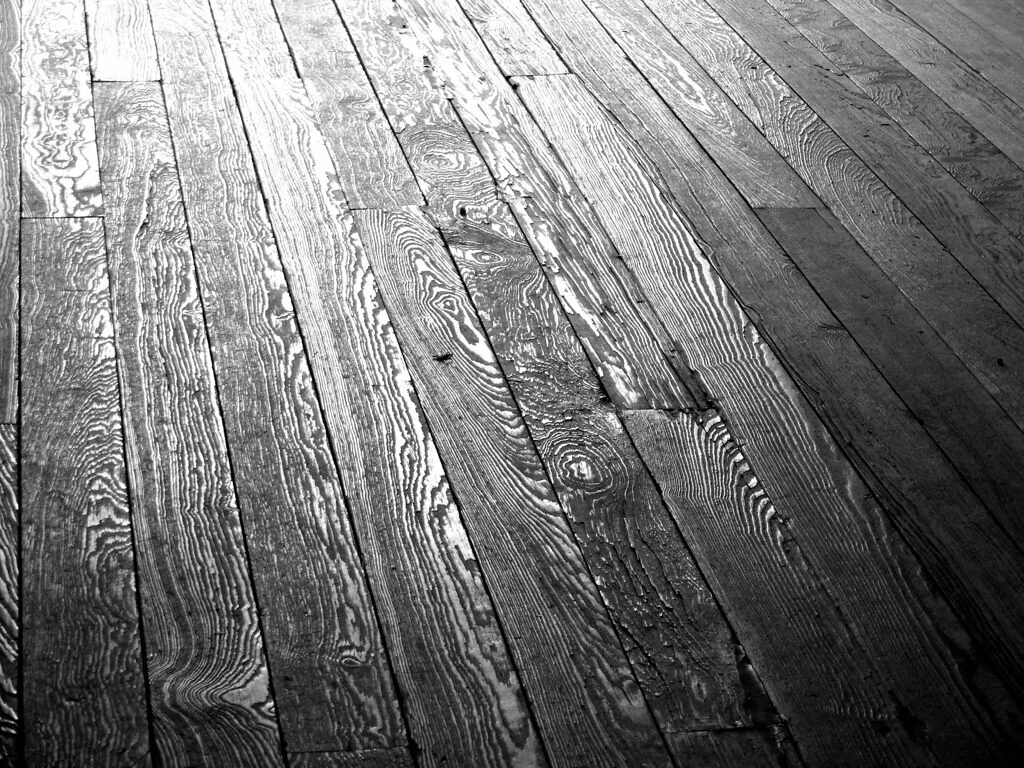
Engineered hardwood flooring is a wood floor built in layers. The top layer, called the wear layer, is real hardwood such as oak, maple, walnut, or hickory. Below it sit several layers of plywood or high-density fibreboard, glued with the grain running in different directions. This cross-layer build is what gives the floor its strength and stability.
The wear layer is the part you see and walk on, and its thickness decides how long the floor lasts. A thin wear layer of about 1 to 2 millimetres suits light use. A thicker layer of 3 to 6 millimetres can be sanded and refinished once or twice. Always check the wear layer thickness before you buy, since it matters more than the total thickness of the plank.
Engineered wood comes in planks of many widths and lengths, and in the same wood species and finishes as solid wood. It can be fitted as a floating floor, glued down, or nailed, depending on the product and the subfloor. For many homes, it gives the look of solid wood with fewer worries about moisture and movement.
How It Is Made (Layers)
An engineered plank has three main parts: the wear layer, the core, and the backing. The wear layer is a thin slice of real hardwood, cut from a log and finished with oil or lacquer. Its thickness ranges from about 1 millimetre on budget boards to 6 millimetres on premium ones.
The core is the thick middle part, and it is what makes the floor stable. Most cores are made from layers of plywood glued with the grain at right angles to each other. When wood tries to expand in one direction, the next layer pulls it back, so the plank stays flat. Some cheaper cores use high-density fibreboard, which is less stable than plywood yet costs less.
The backing layer is a thin sheet on the bottom that balances the plank and stops it from cupping. The layers are pressed together under heat with strong glue, then cut into planks and finished. The result is a floor that looks like solid wood from above, yet behaves far better when the air turns damp or dry.
Pros and Cons
Engineered hardwood has clear strengths. It is more stable than solid wood, so it copes better with humidity and temperature changes. It can be fitted over concrete, which solid wood cannot, and it works with underfloor heating in many cases. It looks and feels like real wood, since the top layer is real wood, and it adds value to a home.
It is also more versatile to fit. Click-lock engineered boards can float over an underlay, while glue-down boards suit large rooms. Many products come prefinished, so there is no sanding or sealing mess after fitting. The range of species, widths, and finishes is just as wide as solid wood.
There are limits to know. A thin wear layer cannot be sanded, so deep scratches may mean replacing a plank. Engineered wood can still be damaged by standing water, even though it handles humidity better than solid wood. It often costs more than laminate, and cheap products with a thin core can feel hollow underfoot. The glue used in some cores can release fumes, so check for low-emission ratings if air quality matters to you.
Engineered vs Solid Hardwood
Engineered and solid hardwood look alike at first glance, yet they behave differently. Solid wood is a single piece of hardwood from top to bottom, usually about 18 to 20 millimetres thick. It can be sanded and refinished many times, so it can last for generations with care. Yet it moves with humidity, and it should not be fitted below ground level or over concrete.
Engineered wood is more stable and more forgiving. It can go in basements, over concrete slabs, and in kitchens where solid wood would risk swelling. It costs less in many cases, and it fits faster, since many boards click together. Yet it cannot be refinished as often, and a thin wear layer may allow only one light sanding or none at all.
Choose solid wood if you want a floor you can refinish for decades and your home has stable humidity. Choose engineered wood if your rooms have moisture, concrete subfloors, or underfloor heating. For a closer look at solid wood options, the guide to the best hardwood flooring compares species, finishes, and uses room by room.
Where It Works Best
Engineered hardwood works best in living rooms, bedrooms, hallways, and dining rooms, where you want the warmth of real wood with less worry. It suits homes with concrete subfloors, since it can be glued down directly, and it suits flats where a floating floor is easier to fit. It also works well over underfloor heating, as long as the maker approves it for that use.
Kitchens can suit engineered wood if spills are wiped up fast, yet it is not the best choice for a bathroom or laundry room. Standing water is still a risk, and a bathroom floor gets wet often. In those rooms, tile or waterproof vinyl is a safer pick.
Engineered wood also suits rooms with large windows and sun, since it moves less than solid wood when temperatures change. Yet strong sun can still fade the colour over time, so use curtains or blinds in very sunny rooms. With the right room and basic care, engineered wood can look great for many years.
How to Choose Engineered Hardwood

Start with the wear layer. A wear layer of 3 millimetres or more is the best choice if you want the option to refinish later. A thinner wear layer is fine for a quiet bedroom, yet it limits the floor’s life in a busy family room. Ask the seller for the exact wear layer thickness in writing.
Next, check the core. A plywood core is more stable and more durable than a fibreboard core, and it handles moisture better. Look at the number of layers too: more layers usually mean a more stable plank. Check the finish as well, since a good factory finish resists scratches and stains better than a cheap one.
Think about how the floor will be fitted. Click-lock boards suit a floating floor over underlay, while glue-down boards suit concrete and large areas. If you are comparing wood looks with a lower budget, the guide to the best laminate hardwood flooring is worth a look. It shows wood-look laminate options that copy hardwood at a lower cost.
Care and Maintenance
Caring for engineered hardwood is simple. Sweep or vacuum with a hard-floor setting every few days to lift grit, since grit scratches the finish. Damp mop with a wood-safe cleaner and very little water, and dry the floor fast. Never pour water on the floor or use a steam mop.
Wipe up spills right away, especially water near sinks and doors. Use felt pads under furniture legs, and rugs in busy paths to cut wear. Keep pet nails trimmed, since claws can mark the finish over time.
Refinishing is possible only if the wear layer is thick enough. A floor with a 4 millimetre wear layer can often be sanded once or twice, while a 1 millimetre layer cannot be sanded at all. If the finish looks dull, a recoat with a compatible finish can refresh the look without full sanding. Ask the maker what recoat products suit your floor.
FAQ: What Is Engineered Hardwood Flooring?
Is engineered hardwood real wood?
Yes, engineered hardwood is real wood. The top wear layer is genuine hardwood, such as oak or walnut, bonded to a layered core below. It looks, feels, and smells like solid wood, since the surface you walk on is real timber.
Can engineered hardwood be refinished?
It depends on the wear layer thickness. A floor with a wear layer of 3 millimetres or more can usually be sanded and refinished once or twice. A thin wear layer of 1 to 2 millimetres cannot be sanded, so deep damage may mean replacing planks.
Is engineered hardwood waterproof?
No, engineered hardwood is not waterproof. It handles humidity better than solid wood, yet standing water can still damage it. Wipe up spills fast, and do not fit it in bathrooms or laundry rooms where water is common.
Can engineered hardwood go over concrete?
Yes, engineered hardwood can be glued down over a dry concrete slab, which solid wood cannot. The concrete must be flat, clean, and dry, and a moisture barrier is often needed. Check the maker’s guide before fitting over concrete.
How long does engineered hardwood last?
With a thick wear layer and good care, engineered hardwood can last 20 to 30 years or more. A thin wear layer in a busy home may last less time. Regular sweeping, quick spill cleaning, and felt pads under furniture help the floor last longer.
Free Tool: Flooring Cost Estimator
The Flooring Cost Estimator helps you work out what your engineered hardwood project will cost. Enter your room size and compare material and fitting costs, so you can plan your budget before you buy.
Conclusion
Engineered hardwood flooring is real wood built in layers, with a hardwood wear layer on top and a stable core below. That build gives it the look and feel of solid wood with better resistance to humidity, temperature changes, and concrete subfloors. A thick wear layer and a plywood core are the marks of a good product, and they decide how long the floor lasts.
Compared with solid wood, engineered wood is more stable and more versatile, yet it cannot be refinished as often. It shines in living rooms, bedrooms, and hallways. It also works over concrete or underfloor heating, while bathrooms and laundry rooms are better left to tile or vinyl. Choose a good wear layer, fit it well, and care for it gently, and engineered hardwood can be a warm, lasting floor for your home.


