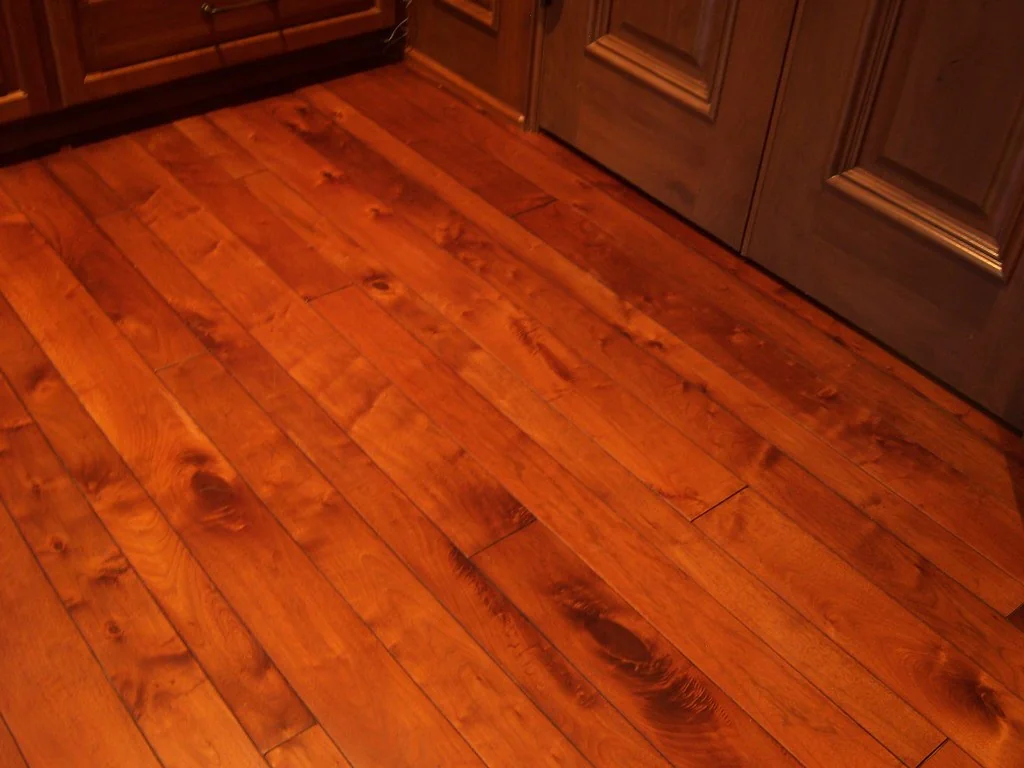

Knowing how to mop hardwood floors the right way protects a floor that can last for decades. Wood looks warm and rich, yet it reacts badly to too much water and the wrong cleaner. A damp mop used the right way cleans well. A soaking wet mop can cause swelling, cupping, and dull patches that are hard to fix.
The method is simple once you know it: dry mop first, then damp mop with very little water and a wood-safe cleaner. This guide covers what you need, each step in order, the mistakes to avoid, and how to get a streak-free shine.
What You Need

Start with a dry dust mop or a vacuum made for hard floors. A microfibre dust mop picks up dust and hair well, and it will not scratch the finish. If you use a vacuum, choose a hard-floor setting and turn off the beater bar, since a spinning brush can mark the wood.
For the damp mop, a flat microfibre mop is the best choice. It holds little water, spreads cleaner evenly, and leaves few streaks. You also need a bucket, clean warm water, and a cleaner made for hardwood floors. A pH-neutral wood floor cleaner is safe for most finishes, and many floor makers sell one for their own products.
Keep a few soft, dry towels nearby to dry the floor after mopping. A spray bottle is handy too, since it lets you mist cleaner onto the mop rather than pouring it on the floor. If you want help picking the right tool, the guide to the best mop for hardwood floors is a good next step. It compares flat mops, spray mops, and other options for wood.
Dry Mop First
Always dry mop before you damp mop, since this step lifts the grit that causes scratches. Sweep or dust mop the whole floor, working in straight lines toward a dustpan or a corner. Pay care to entryways and kitchen paths, where sand and small stones collect.
Dust and hair gather along skirting boards and under furniture, so run the mop along the edges too. A vacuum with a hard-floor head can help in corners where a mop cannot reach. Check under rugs as well, since grit hides there and scratches the floor when the rug moves.
Do not skip this step, even if the floor looks clean. Fine dust is hard to see, yet it turns into a gritty paste when mixed with water. That paste is what leaves fine scratches across the finish over time. A two-minute dry mop protects the floor more than any cleaner can.
Damp Mop Steps
Fill your bucket with warm water and add the wood cleaner as the label directs. Use less cleaner than you think you need, since too much cleaner leaves a sticky film. Dip the mop, wring it out until it is barely damp, and start mopping in the direction of the wood grain.
Work in small sections, about four feet wide, and rinse the mop often in clean water. If a section still looks dirty, mop it a second time with a fresh wrung-out mop rather than adding more cleaner. Keep the mop damp, never dripping, and wipe up any puddle the moment you see it.
When you finish a section, dry it with a soft towel if the floor still looks wet. Wood should not stay wet for more than a minute or two. Open a window or run a fan to help the floor dry fast. If you want help choosing a safe cleaner, the guide to the best cleaner for hardwood floors is a good next step. It lists products that clean wood without dulling the finish. For a sticky spot, mist a little cleaner onto the mop head and rub the spot gently, rather than pouring cleaner onto the floor. This keeps water off the wood while still lifting the dirt. A soft cloth also works for small spots, and it gives you more control than a mop. Wipe in the direction of the grain, and dry the spot with a towel right after.
What NOT to Use
Water is the biggest risk to a hardwood floor. Never pour a bucket of water onto wood or use a soaking wet mop. Standing water seeps into the joints and the grain, and it can cause boards to swell, cup, or warp. A steam mop is also unsafe for wood, since the heat and steam push moisture deep into the boards.
Avoid vinegar, bleach, ammonia, and all-purpose cleaners on hardwood. Vinegar is an acid that can dull the finish over time, while bleach and ammonia can strip it. Oil soaps and furniture polish leave a slippery film that attracts dirt and makes the floor look cloudy.
Never use a vacuum with a beater bar, a stiff scrub brush, or an abrasive pad on wood. These tools scratch the finish and wear it down fast. If a product label does not say it is safe for hardwood, do not use it on your floor. When in doubt, test a new cleaner in a hidden corner first.
Streak-Free Tips

Streaks usually come from too much cleaner, too much water, or a dirty mop. Use a small amount of cleaner, wring the mop well, and rinse it often in clean water. A mop head full of dirty water spreads dirt instead of lifting it, so change the water when it looks grey.
Mop in the direction of the wood grain, not across it, since this hides any faint lines the mop leaves. Work in straight, overlapping passes, and dry each section with a soft towel as you go. A microfibre cloth buffs the floor to a soft shine without scratching it.
If streaks still appear, mop the floor again with plain warm water and a clean mop, then dry it right away. This lifts the cleaner residue that causes the haze. Avoid mopping on a very humid day if you can, since the floor dries slower and streaks show more. Good light helps too: check your work from a low angle to spot streaks early. Wash your mop pads after each use, since a dirty pad is one of the most common causes of streaks. A clean pad glides better and leaves the floor looking brighter.
How Often to Mop Hardwood
How often you mop depends on the traffic in the room. A busy kitchen or hallway may need a damp mop once a week, while a quiet bedroom may only need one every two weeks. Daily dry mopping or sweeping is enough for most rooms between damp mops.
Homes with pets or children need more frequent mopping, since muddy paws and spills happen often. Wipe up spills the moment you see them, and damp mop the spot right away. A spill left on wood can leave a dark mark that is hard to remove.
Seasonal changes matter too. In wet winters, dry mop more often to lift grit tracked in from outside. In dry summers, dust builds up faster, so a quick sweep each day keeps the floor looking fresh. A steady routine beats a rare deep clean for wood floors. If your floor starts to look dull even with regular mopping, check your cleaner amount first, since residue is the most common cause. A rinse mop with plain warm water once a month helps keep the finish clear.
FAQ: How to Mop Hardwood Floors
Can I use vinegar and water on hardwood floors?
It is best not to use vinegar on hardwood floors. Vinegar is acidic and can dull the finish over time, even when mixed with water. Use a pH-neutral cleaner made for hardwood floors instead, and follow the label for the right amount.
How wet should the mop be for hardwood floors?
The mop should be barely damp, not dripping. Wring it out until almost no water comes out, and dry any wet patch with a towel right away. Wood should not stay wet for more than a minute or two.
Can I use a steam mop on hardwood floors?
No, a steam mop is not safe for hardwood floors. The heat and steam push moisture into the wood, which can cause swelling, cupping, and finish damage. Use a damp microfibre mop with a wood-safe cleaner instead.
Why does my hardwood floor look dull after mopping?
A dull look usually comes from cleaner residue or too much water. Rinse the floor with plain warm water and a clean mop, then dry it with a soft towel. Use less cleaner next time, and avoid oil soaps and furniture polish.
How often should I mop hardwood floors?
Damp mop busy rooms once a week and quiet rooms every two weeks. Dry mop or sweep daily in high-traffic areas. Wipe up spills right away, since a spill left on wood can leave a lasting mark.
Free Tool: Mop Finder Quiz
The Mop Finder Quiz helps you find the right mop for your hardwood floors. Answer a few quick questions about your floor and your home. It then suggests a mop that cleans well with little water and leaves a streak-free finish.
Conclusion
Learning how to mop hardwood floors is mostly about restraint. Dry mop first, use very little water, and pick a cleaner made for wood. A flat microfibre mop, warm water, and a small amount of pH-neutral cleaner are all you need for a clean, streak-free floor. Rinse the mop often, mop with the grain, and dry the floor fast.
Avoid steam mops, vinegar, bleach, and soaking wet mops, since these are the fastest ways to damage wood. Sweep daily, damp mop weekly in busy rooms, and wipe spills the moment they happen. Keep a dry towel in the kitchen so a spill takes seconds to wipe, not minutes to find a cloth for. Check the floor in bright light once a month, since dull patches and streaks show up clearly in sunlight. A quick buff with a dry microfibre cloth restores the shine between mops. With this simple routine, your hardwood floor can stay warm, bright, and beautiful for many years.