


Choosing the best concrete floor paint starts with matching the coating to the room and the traffic it will face every day. Garages, basements, patios, and workshops punish floors with tires, moisture, chemicals, and constant foot traffic. A coating that suits a quiet basement may fail quickly under a parked car or a wet entryway.
This guide compares six concrete floor paints and coatings for garages, basements, and outdoor slabs in plain terms. We ranked them on durability, surface preparation, coverage, recoat timing, and ease of application for real homes. The overall winner suits most garages, while the budget pick covers smaller refresh projects without fuss.
Before you buy, measure your floor and check for moisture, cracks, and old peeling paint on the slab. Those checks matter more than color, because preparation decides whether any coating bonds or peels within months. If your project is a basement, our guide to basement floor paint explains the moisture checks in more detail for damp rooms.
Quick Verdict
Best Overall: KILZ 1-Part Epoxy Concrete and Garage Floor Paint in Slate Gray, because it resists hot tires, scuffing, cracking, and peeling on indoor and outdoor concrete. Best Budget: SENVEN Acrylic Concrete and Garage Floor Paint in Slate Gray, because it offers similar everyday durability for smaller refresh projects. Both apply with a roller or brush and clean up with soap and water.
Best Premium: Glidden Grab-N-Go Porch and Floor Paint, because it adds strong scratch resistance and fast drying for busy porches and floors. Rust-Oleum Concrete and Garage Floor Paint takes the value spot with a self-priming formula that saves a separate priming step. The two remaining picks suit textured finishes and full garage coating kits.
1. KILZ 1-Part Epoxy Concrete and Garage Floor Paint, Slate Gray, 1 Gallon — Best Overall
 Check On The Amazon.com
Disclosure: As an Amazon Associate, I earn from qualifying purchases.
KILZ 1-Part Epoxy Floor Paint resists hot tire pickup, scuffing, cracking, peeling, and fading on prepared concrete surfaces. It works on indoor and outdoor horizontal surfaces, including garage floors, basements, patios, and walkways. The water-based formula applies easily with a roller or brush and cleans up with soap and water.
This pick suits properly prepared porous concrete, masonry, stone, and brick, so etching and cleaning come first for a lasting bond. It is not made for vertical surfaces, hydrostatic pressure, or forklift traffic, so check those limits before buying. For most home garages, it remains the most straightforward recommendation in this guide.
2. SENVEN Acrylic Concrete and Garage Floor Paint, Slate Gray, 1 Gallon — Best Budget
 Check On The Amazon.com
Disclosure: As an Amazon Associate, I earn from qualifying purchases.
SENVEN Acrylic Floor Paint resists hot tire pickup, scuffing, cracking, peeling, and fading on prepared concrete floors. It suits indoor and outdoor horizontal surfaces, including basements, garage floors, patios, and porches. The water-based acrylic applies with a roller or brush and cleans up with soap and water.
This budget pick makes sense when you want a fresh, durable finish without paying for a full coating kit. It shares the same limits as most one-part paints, so it is not for vertical surfaces or hydrostatic pressure. Measure your floor first, because larger slabs will need more than one gallon.
3. Rust-Oleum Concrete and Garage Floor Paint, Battleship Gray, 1 Gallon — Best Value
 Check On The Amazon.com
Disclosure: As an Amazon Associate, I earn from qualifying purchases.
Rust-Oleum Concrete and Garage Floor Paint uses a self-priming battleship gray formula that combines primer and paint in one ready-to-use product. It resists damage from hot tires, motor oil, grease, and gasoline on garage and driveway surfaces. The durable satin finish also resists fading and peeling indoors and outdoors.
This pick covers garages, carports, driveways, basements, porches, patios, walkways, and pool decks with one formula. The advanced acrylic formula cleans up with soap and water and suits value-seeking shoppers who want one dependable coating. Order early if your project weekend is fixed, because delivery timing can vary.
4. Glidden Grab-N-Go Porch and Floor Interior and Exterior Paint, 1 Gallon — Best Upgrade
 Check On The Amazon.com
Disclosure: As an Amazon Associate, I earn from qualifying purchases.
Glidden Grab-N-Go Porch and Floor Paint stands out for high durability and strong scratch resistance on busy floors. It dries fast, applies easily, and cleans up with soap and water after the job. That combination suits porches, entryways, and floors that see daily shoes, pets, and furniture movement.
This premium pick works best when you want a tougher finish than a basic refresh coat can offer. One gallon still covers a limited area, so larger floors need extra cans and careful coat planning. Read the listing closely for surface guidance before you commit to a full room.
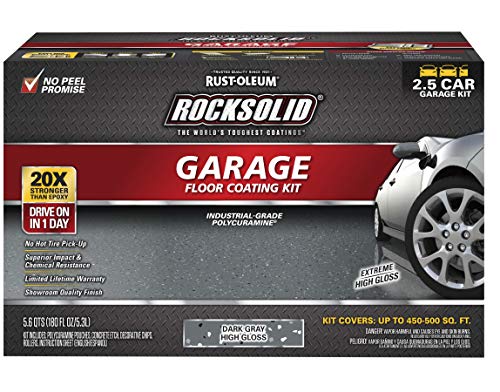
5. Rust-Oleum RockSolid Garage Floor Coating Kit, Dark Gray, 2.5 Car Kit — Best for Small Spaces
 Check On The Amazon.com
Disclosure: As an Amazon Associate, I earn from qualifying purchases.
Rust-Oleum RockSolid is a self-leveling polycuramine coating that creates a durable, showroom-quality garage floor finish. It resists salt, oil, gasoline, and other harsh chemicals that parked cars bring onto the slab. The kit includes burst pouch coating, a foam roller, decorative chips, and concrete etch for preparation.
Foot traffic can return in eight to ten hours, while full vehicle traffic needs twenty-four to thirty-six hours after coating. The formula offers a seven-day recoat window without sanding, which gives beginners useful breathing room. A kit size can leave leftover material on smaller floors, so match the kit to your garage size.
6. KILZ Decorative Slip-Resistant Concrete Coating, Tan, 1 Gallon — Best for Large Spaces
 Check On The Amazon.com
Disclosure: As an Amazon Associate, I earn from qualifying purchases.
KILZ Decorative Concrete Coating creates a long-lasting protective finish with a stone-like, speckled texture on concrete. It suits indoor and outdoor horizontal surfaces, including porous concrete, masonry, brick, and stone. The heavy-duty coating also helps fill hairline cracks and resists hot tire pickup.
This coating dries to the touch in one hour and accepts a recoat in three to four hours. Light foot traffic can return after twenty-four hours, while full curing takes seventy-two hours for best results. Each gallon covers a modest area with two coats, so large patios need careful quantity planning.
Comparison Table
| Product | Best For | Key Strength | Price |
|---|---|---|---|
| KILZ 1-Part Epoxy, Slate Gray | Best Overall | Hot tire and scuff resistance | Check Price on Amazon |
| SENVEN Acrylic, Slate Gray | Best Budget | Everyday durability for refresh projects | Check Price on Amazon |
| Rust-Oleum Concrete and Garage, Battleship Gray | Best Value | Self-priming formula saves a step | Check Price on Amazon |
| Glidden Grab-N-Go Porch and Floor | Best Upgrade | Scratch resistance and fast drying | Check Price on Amazon |
| Rust-Oleum RockSolid Coating Kit, Dark Gray | Best for Small Spaces | Showroom finish with kit included | Check Price on Amazon |
| KILZ Decorative Slip-Resistant, Tan | Large Spaces | Textured, slip-resistant finish | Check Price on Amazon |
How to Choose Concrete Floor Paint
Choose the chemistry for the room
Epoxies and polyurethanes dominate garages, basements, and workshops where chemical and tire resistance matter most. Acrylics and lighter enamels suit interior rooms and quick refreshes where traffic stays light and dry. Basements add a moisture question that the label must answer before you buy any coating.
If your garage faces oil, gasoline, and hot tires daily, choose a tougher epoxy or polycuramine system over a basic acrylic. If you only refresh a porch or a spare room, an acrylic or porch paint keeps the job simple. For a deeper comparison of resin types, see our guide to epoxy floor paint and match the chemistry to your worst daily wear.
Prep decides the finish
Concrete wants etching or grinding plus a moisture check before any coating goes down on the slab. Dust, oil, old peeling paint, and damp spots all break the bond between coating and concrete. Glossy or sealed surfaces need bonding primer, while rough concrete needs thorough cleaning and crack repair first.
Skimping on prep causes most peeling failures, so treat cleaning and etching as part of the job itself. Follow the label for etch timing, rinsing, and drying, and never coat a slab that still feels damp. A full day of prep saves years of flaking and rework on garage and basement floors.
Plan coverage and coats
Check coverage per gallon against your square footage, then buy for the recommended coat count plus touch-ups. Two thin coats beat one thick pour for adhesion, appearance, and long-term durability on concrete. Decorative coatings cover less area per gallon, so read the coverage figure twice for textured finishes.
Measure length and width, subtract fixed obstacles roughly, and round up rather than down for safety. Running out mid-coat creates visible lap marks and weak spots where the finish stays thin. Keep one spare can for edges, steps, and future scuff repairs after the main job.
Respect recoat and cure times
Recoat windows depend on chemistry, so coating too early stops the finish curing properly. Coating too late can also break the bond between layers, especially with two-part systems and fast epoxies. Read the recoat window on your chosen product and plan the whole weekend around it.
Full cure decides when furniture, rugs, and vehicles return to the floor without damage. Light foot traffic returns far sooner than vehicle traffic, so keep cars out until the label allows them. Rushing this stage ruins an otherwise perfect coating job in a single afternoon.
Think about traction and sheen
Gloss finishes show every imperfection, roller mark, and dust speck on a concrete slab. Satin and matte finishes wear better visually and hide minor flaws across large garage floors. Add non-slip grit or decorative chips for wet areas like garage steps, basement entries, and pool decks.
Textured coatings like the KILZ decorative pick add grip and hide hairline cracks at the same time. Smooth coatings suit showroom garages but need extra grit where water pools or shoes stay wet. Choose sheen for the room you have, not the showroom photo on the listing.
Mistakes to avoid
Do not skip etching or priming, never paint over a damp slab, and avoid stretching one gallon past its listed coverage. Match the chemistry to the room, follow the prep schedule, and respect cure times even when the floor looks dry. Most failures trace back to one skipped step, not to the paint brand itself.
Do not buy a kit sized for a different garage and hope leftover material covers the gap. Do not coat vertical walls with a floor paint made only for horizontal surfaces. Check hydrostatic limits for basements, and choose a different system when the label warns against moisture pressure.
Frequently Asked Questions
What is the best concrete floor paint overall?
KILZ 1-Part Epoxy Concrete and Garage Floor Paint is our overall pick for most homes and garages. It balances hot tire resistance, scuff resistance, indoor and outdoor use, and easy roller application. SENVEN Acrylic covers tighter budgets, while Glidden suits buyers who want stronger scratch resistance.
Should I choose epoxy or acrylic for my garage?
Epoxy suits garages with cars, chemicals, and heavy daily traffic because it resists tires and oil better. Acrylic suits lighter rooms, quick refreshes, and dry basements where traffic stays modest and simple application matters. If your garage also stores tools and vehicles, our guide to garage floor paint compares tougher systems for that exact job.
How do I prepare concrete before painting?
Start by cleaning oil, dust, and loose paint, then etch or grind the surface for a strong bond. Repair cracks, check for moisture, and let the slab dry fully before the first coat goes down. Follow the product label for etch timing and priming, because each chemistry sets different preparation rules.
How long before I can drive on a painted garage floor?
Vehicle timing depends on the product, so read the label rather than guessing from appearance alone. RockSolid kits allow vehicle traffic in twenty-four to thirty-six hours, while other coatings need longer full curing. Keep cars, heavy furniture, and rugs off the floor until the stated cure time passes completely.
Can I paint over old concrete floor paint?
You can recoat sound, well-bonded paint after cleaning, scuffing, and checking adhesion across the floor. Remove peeling, flaking, or glossy sections first, because new paint bonds only to a stable surface. When old paint fails widely, strip it back to bare concrete and start with full preparation.
🎨 Free Tool: Paint Coverage Calculator
Enter your room size — see how many gallons you need, coats included.
Conclusion
KILZ 1-Part Epoxy Concrete and Garage Floor Paint is our overall winner and the best choice for most homes. SENVEN Acrylic stands out for budgets, Rust-Oleum covers the value middle ground, and Glidden adds a tougher premium finish. Match chemistry and preparation to the room, and the coating will hold for years.
Measure your floor, check moisture, prepare the slab properly, and buy enough coating for two full coats. If you want a broader coating comparison before deciding, our guide to concrete floor coating options covers kits and decorative finishes side by side. Start with preparation, respect the cure time, and your floor will reward the patience.


