

Learning how to clean grout on tile floors can make an old floor look new again. Grout is the cement-like material that fills the gaps between tiles, and it picks up dirt, grease, and stains far faster than the tile itself. A floor with clean tiles and dirty grout still looks tired.
The good news is that grout cleaning is a simple job with the right tools and a little patience. Most grout can be cleaned with household products, a stiff brush, and a clear method. This guide walks you through each step, from what you need to how to keep grout clean after.
Why Grout Gets Dirty

Grout is porous, which means it has tiny holes that soak up liquids and dirt. Tile has a hard, sealed surface that wipes clean, yet grout acts more like a sponge. Every spill, every muddy footstep, and every splash leaves a little behind in those tiny holes.
Kitchens and bathrooms are the worst rooms for grout. Cooking grease settles into kitchen grout, while soap, shampoo, and hard water leave marks in bathroom grout. Entryways collect mud and grit, which grinds into the grout lines with each step. Over time, light grout turns grey or brown, even when the tiles still look fine.
Sealed grout resists dirt far better than unsealed grout, yet the seal wears off over time. High-traffic areas lose their seal first, which is why the same floor can have clean grout in one corner and dirty grout in the middle. Knowing this helps you see why regular cleaning and resealing matter.
What You Need
Start with a stiff grout brush or an old toothbrush. A grout brush has narrow, firm bristles that fit into the grout lines, and it makes the job far faster than a cloth. A spray bottle, a bucket, and clean water are also needed, plus a few soft cloths for wiping and drying.
For the cleaner, start with the mildest option: warm water and a pH-neutral floor cleaner. Baking soda mixed with water into a paste is a good next step for stained grout. White vinegar mixed with water helps with soap scum and hard water marks, yet it should not be used on natural stone tiles.
For tougher stains, an oxygen bleach cleaner made for grout is a safe choice. Avoid chlorine bleach on coloured grout, since it can fade the colour. Wear rubber gloves, open a window, and keep the room aired while you work. If you want help choosing a daily cleaner, the guide to the best tile floor cleaner compares safe options for tile and grout.
Step-by-Step Grout Cleaning
Start by sweeping or vacuuming the floor to lift loose dirt and grit. This stops dirt from turning into muddy streaks when you add cleaner. Mop the tiles with warm water first, so the grout is damp before you apply any cleaning paste.
Apply your cleaner to a small section of grout, about three or four tiles wide. A paste of baking soda and water works well: spread it along the grout lines and let it sit for ten minutes. For light dirt, a spray of floor cleaner and a short wait is enough.
Scrub the grout lines with your brush, using short, firm strokes along each line. Work in small sections so the cleaner does not dry out. Rinse the area with clean water, wipe it with a cloth, and check the result before you move on. Repeat the steps on the next section until the whole floor is done. For a stain that will not lift, make a fresh paste and leave it on the grout for half an hour before you scrub again. A second round often lifts what the first round left behind, especially on old grease or soap marks.
Cleaning the Tile Around It
Clean grout looks best next to clean tile, so give the tiles care while you work. Mop the tiles with a mild tile cleaner and warm water after you finish the grout lines. This lifts the dirt and cleaner residue that scrubbing leaves behind on the tile surface.
For textured tiles, a soft-bristle brush helps lift dirt from the surface without scratching it. Rinse the floor with clean water and dry it with a towel or a dry mop. Drying matters, since water left on the floor can leave marks and settle back into the grout.
Check the tile edges and corners as you finish, since dirt hides there. A damp cloth run along the skirting and around the base of the toilet or sink catches what the mop misses. When the floor is fully dry, step back and look at the grout lines in good light. This shows you if any section needs a second pass.
Removing Old Grout (When to Do It)
Some grout is too damaged to clean, and removal is the right answer. If the grout is cracked, crumbling, or missing in places, cleaning will not fix it. Grout that stays dark or stained after two rounds of cleaning may also be past saving, since the stain has soaked too deep.
Removing grout is a careful job. A manual grout saw or an oscillating tool with a grout blade cuts the old grout out of the joints. Work slowly and keep the blade in the grout line, since a slip can chip the tile edge. Wear safety glasses and a dust mask, and vacuum the dust as you go.
After removal, clean the joints well and let them dry fully before you apply new grout. New grout needs a clean, dry joint to bond well. Seal the new grout once it has cured, since sealing is what keeps it clean for longer. If the damage covers a large area, a tile professional can do the job faster and more evenly.
How to Keep Grout Clean
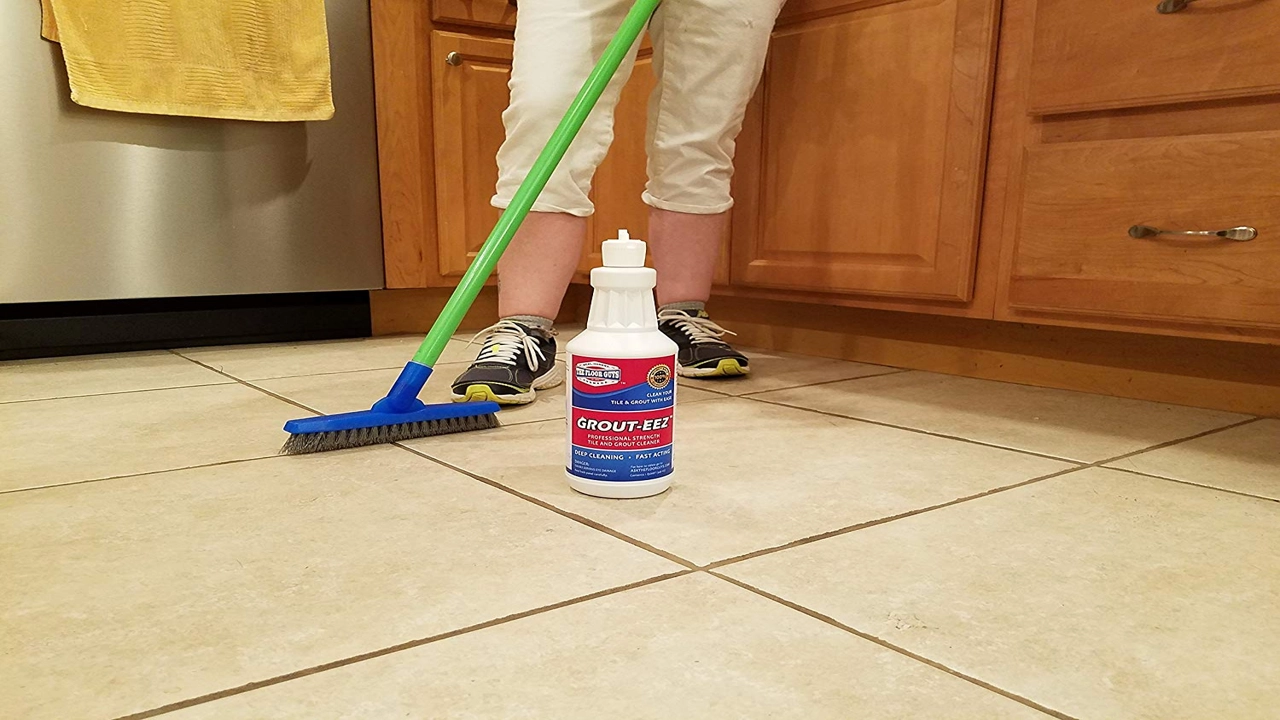
The best way to keep grout clean is to seal it after cleaning. A grout sealer fills the tiny holes in the grout and stops dirt and water from soaking in. Apply sealer with a small brush or applicator, let it dry, and add a second coat in busy areas. Reseal once a year in kitchens and bathrooms, or more often in very busy rooms.
Wipe up spills fast, since a spill left on grout will soak in. Mop the floor weekly with a mild cleaner, and avoid harsh chemicals that can wear the sealer away. A steam mop can be a good tool for tile floors. The guide to the best steam mop for tile floors shows which models clean grout lines well without harming the tile.
Use doormats at entrances to cut the dirt that reaches the floor. Shake them out often, and vacuum the grout lines in entryways each week. Small habits like these keep grout looking clean for months, so the deep clean becomes a rare job instead of a constant chore. In the bathroom, run the fan during and after showers to dry the air fast. Damp grout grows mould quickly, and dry grout stays clean far longer.
FAQ: How to Clean Grout on Tile Floors
What is the best homemade grout cleaner?
A paste of baking soda and water is the best homemade grout cleaner for most floors. Spread it on the grout, let it sit for ten minutes, then scrub with a stiff brush. For soap scum, add a little white vinegar, yet avoid vinegar on natural stone tiles.
Can I use bleach to clean grout?
Chlorine bleach can clean white grout, yet it can fade coloured grout and harm the seal. An oxygen bleach cleaner is a safer choice for most grout. Always wear gloves, open a window, and rinse well after using any bleach product.
How often should I clean grout?
Sweep and mop tile floors weekly, and deep clean the grout every few months. Kitchens and bathrooms may need a grout scrub monthly, since grease and soap build up fast. Reseal the grout once a year to keep it protected.
Why does my grout turn black in the shower?
Shower grout turns black from a mix of soap scum, hard water, and mould that grows in damp grout. Clean it with a baking soda paste and a brush, then rinse and dry the area. Sealing the grout and drying the shower after use helps stop it coming back.
Should I seal grout after cleaning?
Yes, sealing grout after cleaning is the best way to keep it clean longer. A sealer fills the pores in the grout so dirt and water cannot soak in. Let the grout dry fully first, then apply one or two coats as the sealer label directs.
Free Tool: Tile & Grout Calculator
The Tile & Grout Calculator helps you work out how many tiles and how much grout your room needs. Enter your room size and tile size. It then estimates the materials for your job, so you can plan a repair or a new floor with real numbers.
Conclusion
Knowing how to clean grout on tile floors turns a tired floor into a fresh one. Grout gets dirty because it is porous, yet a stiff brush, a mild cleaner, and a clear method can lift most stains. Clean the tiles around the grout too, and dry the floor well when you finish.
Grout that is cracked or deeply stained may need removal and regrouting, yet most grout only needs a good clean and a fresh seal. Seal the grout after cleaning, wipe spills fast, and mop weekly to keep it looking good. A clean floor also makes the whole room feel brighter, since grout lines frame every tile. Give the grout a quick check each season, and reseal any spot where water soaks in fast. Keep spare grout and sealer in the cupboard, so a small repair takes an evening instead of a shopping trip. A small brush and a tube of grout are cheap to keep on hand, and they save a call to a professional for minor chips. A spare sponge and a pair of gloves round out the kit. With these habits, your tile floor can stay bright and clean for years.

