


Hickory-look vinyl plank is the busiest grain in the wood-look family. That busyness is the feature.
Character marks that would look chaotic in oak read as coziness in hickory, and real hickory’s price is long gone from the equation.
Here is where hickory works, where it fights back, and how to pick a plank that wears well.
Key Takeaways
- Hickory grain is bold, varied, and excellent at hiding daily wear.
- Color runs from pale sapwood strips to deep cocoa heartwood.
- Textured, embossed versions look far more real than flat print.
- It pairs with farmhouse, cabin, and warm modern rooms alike.
- A stiff core keeps busy grain from telegraphing subfloor flaws.
Why Busy Grain Works
Every plank in a hickory floor looks different. That variation hides crumbs, dust, and scuffs that a calm pale floor confesses instantly.
The same trait forgives installation realities. Tiny joint unevenness disappears into the pattern instead of forming a visible line.
If your household values looks-now over weekly detailing, hickory is close to the lowest-maintenance wood look there is. Our room-by-room vinyl plank color guide helps place hickory against modern palettes.
Reading Hickory Tones
Real hickory mixes pale sapwood with cocoa heartwood, sometimes in one board. Good vinyl reproduces that jump, not just one average shade.
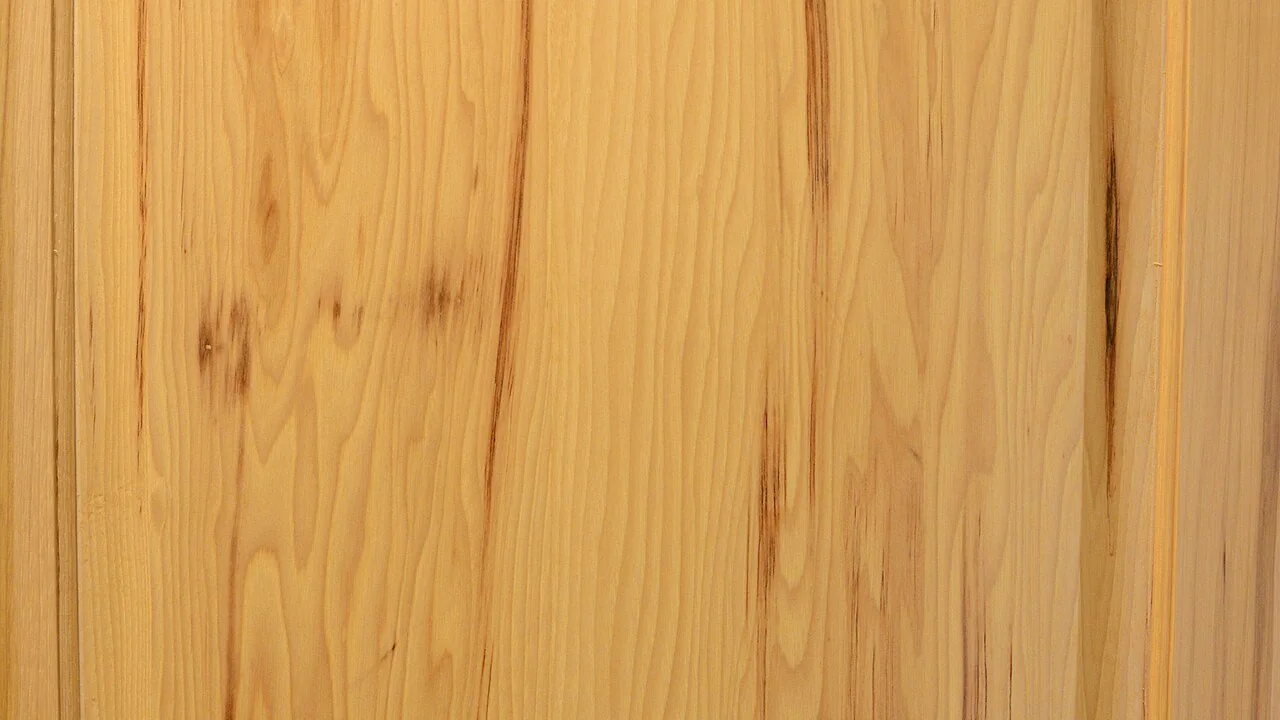
Budget prints use a single mid-brown. They read flat in large rooms, especially under daylight.
Better lines show streaks of gray, caramel, and near-black in one box. Lay four samples down before deciding; single-plank views always lie.
Hickory Versus Oak and Rustic Looks
Oak grain is consistent stripe with occasional knots. Hickory is contrast: light boards, dark boards, mineral streaks, all together.
Rustic oak-look vinyl leans red-brown. Hickory leans neutral and gray-brown, which matches modern palettes better.
If you want cabin mood without orange tones, hickory is the closest widely stocked option.
Where Hickory Fits Best
Great rooms and open kitchens. Busy floors anchor large spaces and keep furniture from floating.
Cabins, lake houses, and farmhouses obviously. But hickory also grounds mid-century rooms with walnut furniture surprisingly well.
Avoid pairing with heavily patterned stone or busy rugs everywhere. Let the floor be the texture in the room.
Cabinet and Wall Pairings
White shaker cabinets plus hickory floor is the classic pairing. The calm doors let the floor pattern carry.
Green cabinets, from sage to forest, also work. Cool green against warm grain balances without clashing.
Dark espresso cabinets fight hickory. Tone-on-tone brown reads heavy; lighten the cabinets or the floor, not both.
Texture Is the Whole Game
Embossed-in-register texture means the grain you feel matches the grain you see. It is the single biggest realism upgrade.
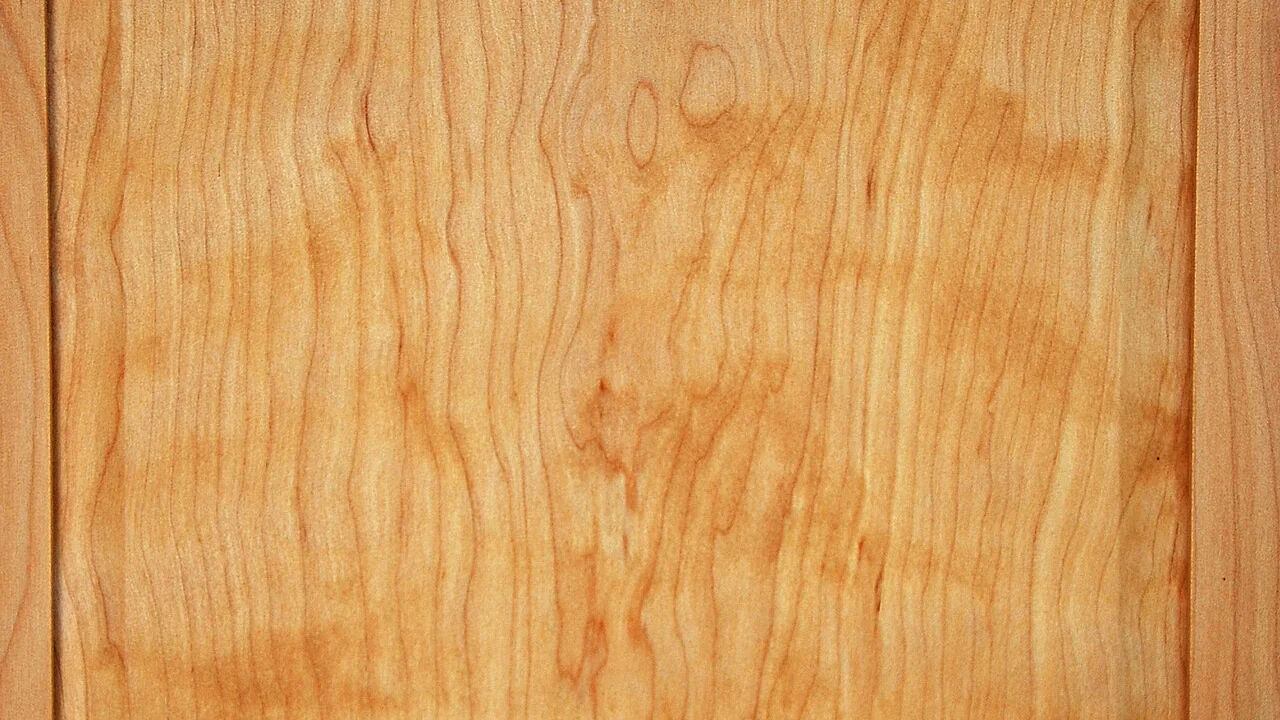
Handscraped versions add soft waves underfoot. Some love it; in modern rooms it can look dated faster.
Flat print hickory looks like laminate from two steps away. Spend up on texture before spending up on thickness.
Subfloor and Installation Notes
Rigid core hickory bridges small subfloor flaws. Flexible goods need a flatter base because thin print bubbles over debris.
Sweep, then level dips beyond a quarter inch in ten feet. Busy grain forgives more than pale plank, but lumps are still lumps. Uneven rooms are easier after reading our uneven subfloor fixes.
Acclimate 48 hours, stagger joints, and leave expansion gaps at walls. Correct basics matter more here than brand.
Pets and Scratch Reality
Claw marks hide brilliantly in hickory grain. The pattern absorbs what would scream across a smooth floor.
Nail trims still matter. Deep gouges cut the wear layer down no matter what the grain does.
Rigid-core plus 12-mil covers most dog households without drama.
Cleaning the Character Grain
Damp microfiber and pH-neutral cleaner. Textured valleys hold dust, so one extra pass against the grain helps.
Skip paste wax and oil soaps. They sit in texture and collect gray grime within weeks. Pair it with picks from our vinyl plank underlayment guide for a quiet floor.
Dust mop twice weekly in sand-heavy areas. Grit in texture valleys is the only real enemy.
Cost and Where to Spend
Hickory-look runs standard bands: flat print near 2 dollars, textured mid-range 3 to 4, rigid premium 5 plus.
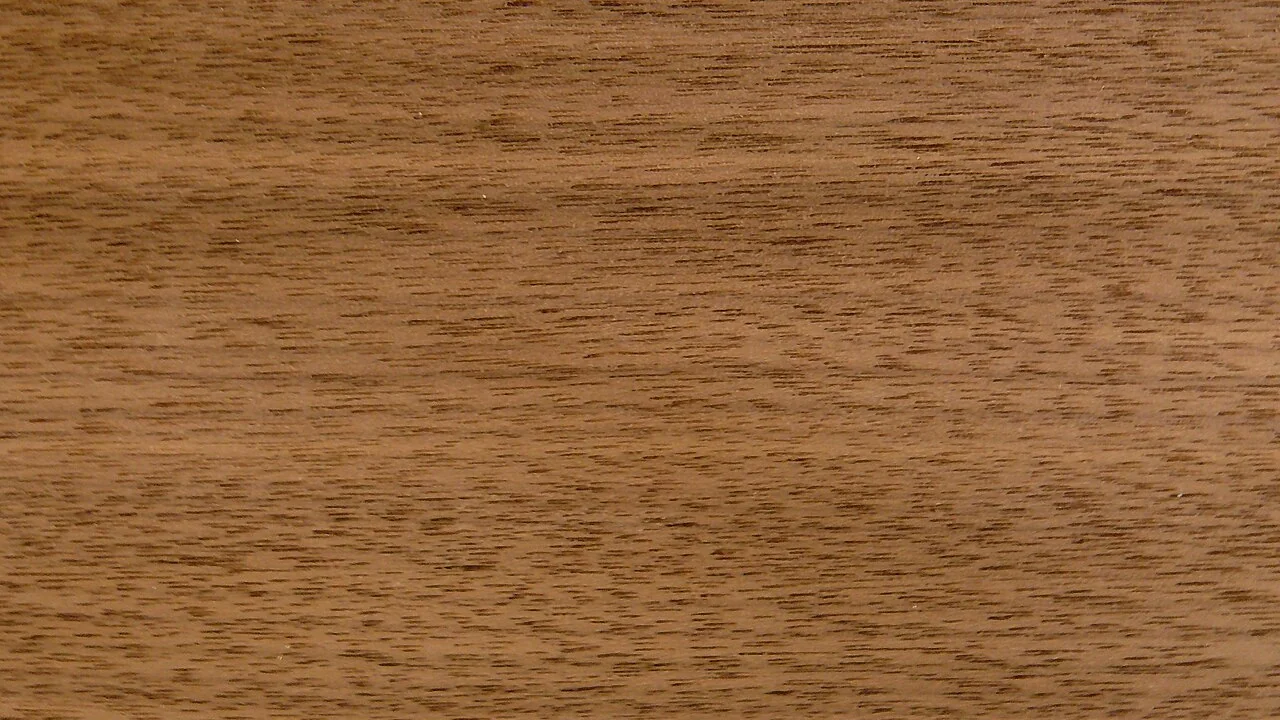
Prioritize texture first, wear layer second, core stiffness third. Brand sits fourth by a distance.
A mid-priced textured 12-mil plank outperforms a premium flat print in every room that matters.
Hickory in Open Kitchens and Sightlines
Open plans show long floor runs. Hickory variation breaks those runs into readable sections instead of one endless color strip.
Run the planks along the longest wall. The eye follows grain direction, and the room reads even bigger for it.
Island base cabinets in white calm the busy floor below. Mixing two busy elements in one sightline exhausts the eye.
Hickory and Area Rugs
Solid-toned rugs in cream, slate, or olive give the eye a rest zone over busy grain.
Skip patterned kilims over hickory. Pattern on pattern reads chaotic within a week of living with it.
Size up. A rug that floats furniture legs looks deliberate on busy floors and accidental on calm ones. The reverse rule matters here.
What the Mid-Tier Actually Buys You
Mid-priced hickory typically adds embossed texture, mixed tone per box, and a thicker wear layer in one jump.
Those three upgrades are exactly the ones this look needs. Budget hickory fails on all three at once, which is why it reads cheap.
If budget is tight, buy less square footage of the good tier than more of the flat tier. Regret scales with square meters.
Hickory on Stairs
Hickory on stairs needs matching nosing from the same line. Dye lots matter double at close range.
Glue-down install on treads with rigid-core plank is the durable path. Floating stairs squeak under sock traffic within a year.
The busy grain hides stair scuffs better than any other wood look. High-traffic staircases are a genuinely good place for it.
Hickory Beside Brick and Stone
Exposed brick and hickory share warm mid-tones. Together they read cozy; apart they each read busier than intended.
Break the pairing with one calm element, like an off-white mantel or plain cream cabinetry between the two.
Stone hearths in cool gray are easier neighbors. The floor warms the stone instead of competing with its speckle.
If the room already holds a lot of texture, flip the weight: keep walls plain and let hickory be the only loud voice in the room.
Seasonal Light and Antique Finishes
Hickory shifts character with the seasons. Summer sun flattens its contrasts; winter low light exaggerates every wave in the grain.
Antique brass hardware and oil-rubbed bronze fixtures echo the floor’s tonal jumps in small, controlled doses.
Matte black hardware is the modern route. It frames the busy grain without adding another brown to count.
None of these choices cost much. A few fixture swaps retune the whole room around the floor.
Mistakes to Avoid
- Judging from one plank. Hickory needs a four-board preview to show its real range.
- Buying flat print for a big room. Repetition strips the character that makes hickory work.
- Pairing with busy wallpaper. Two loud patterns in one sightline never rest.
- Using oil soap. It builds up in texture valleys and turns gray.
- Ignoring core stiffness. Flexible plank over wavy subfloor shows every lump.
Frequently Asked Questions
Is hickory vinyl good with dogs?
Yes, it is one of the best wood-looks for pets. The busy grain masks claw scuffs and dust between cleanings.
What colors go with hickory floors?
Soft whites, sage green, warm taupe, and slate blue all pair cleanly.
Does hickory-look vinyl look cheap?
Only in flat-print form. Embossed texture plus varied planks reads close to real on a budget.
Can hickory vinyl go in bathrooms?
Yes with waterproof cores. Seal the tub line with silicone and use a bath mat at the wettest zone.
How do you clean textured hickory vinyl?
Vacuum with a hard-floor setting or dust mop first, then damp mop with pH-neutral cleaner.
Is hickory warmer or cooler than oak look?
It sits neutral to warm-gray. Oak-look often leans red; hickory avoids that.
Does hickory hide uneven subfloor problems?
The pattern forgives small visual flaws, but physical lumps still telegraph through flexible plank.
What wear layer for a busy family room?
12-mil handles kids, dogs, and dining chairs comfortably.
Can hickory-look vinyl handle rolling chairs?
Rigid-core plank with a 12-mil wear layer manages standard casters. Add a chair mat for all-day desk use.
📐 Free Tool: Flooring Calculator
Enter your room size — see exactly how many boxes you need, waste included.
Conclusion
Hickory-look vinyl trades slickness for character, and character ages well.
Buy texture first, keep the palette calm around it, and the floor hides your household’s daily life without complaint.
For busy rooms that should look deliberate anyway, it is the easiest yes in the wood-look aisle.

